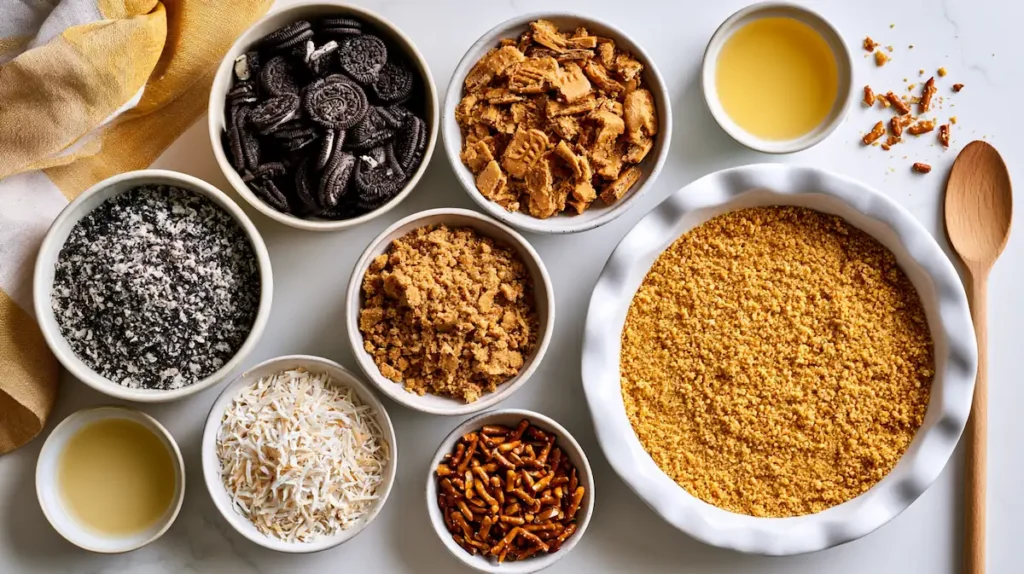
Digestive biscuits, vanilla wafers, chocolate cookies, shortbread, Biscoff, gingersnaps, pretzels, cereal, nuts, or gluten-free cookies can replace graham crackers in a no-bake crust. The best option depends on the filling and on how sweet or salty you want the base to taste.
Whatever substitute you choose, crush it finely and add melted butter gradually. Different cookies contain different amounts of fat, so they do not all need exactly the same quantity of butter.
A homemade no-bake crust is wonderfully flexible. Once you understand the basic crumb-to-butter ratio, you can turn almost any crisp cookie or biscuit into a firm base for cheesecake, pudding pie, icebox cake, or another chilled dessert.
Table of Contents
Recipe Summary
This simple no-bake crust is made by combining finely crushed cookies or biscuits with melted butter. The mixture is pressed firmly into a pie plate or springform pan, then chilled until it becomes stable enough to hold a creamy filling.
If you enjoy easy chilled treats, explore these simple no-bake dessert recipes for more ideas that require very little preparation.
| Recipe Information | Details |
|---|---|
| Prep Time | 10 minutes |
| Active Time | 10 minutes |
| Chilling Time | 30 minutes |
| Total Time | 40 minutes |
| Servings | 8 slices |
Quick Answer
The best substitute for graham crackers in a no-bake crust is crushed digestive biscuits. They have a lightly sweet, wheaty flavor and a crisp texture that behaves similarly to graham cracker crumbs.
Other excellent options include vanilla wafers, Oreo cookies, shortbread, Biscoff cookies, gingersnaps, pretzels, crisp cereal, and gluten-free cookies. In most cases, you can replace graham cracker crumbs with the same volume of your chosen alternative.
The main adjustment will be the amount of melted butter. Rich, buttery, or cream-filled cookies usually require less butter than dry biscuits.
Why You’ll Love This No-Bake Crust
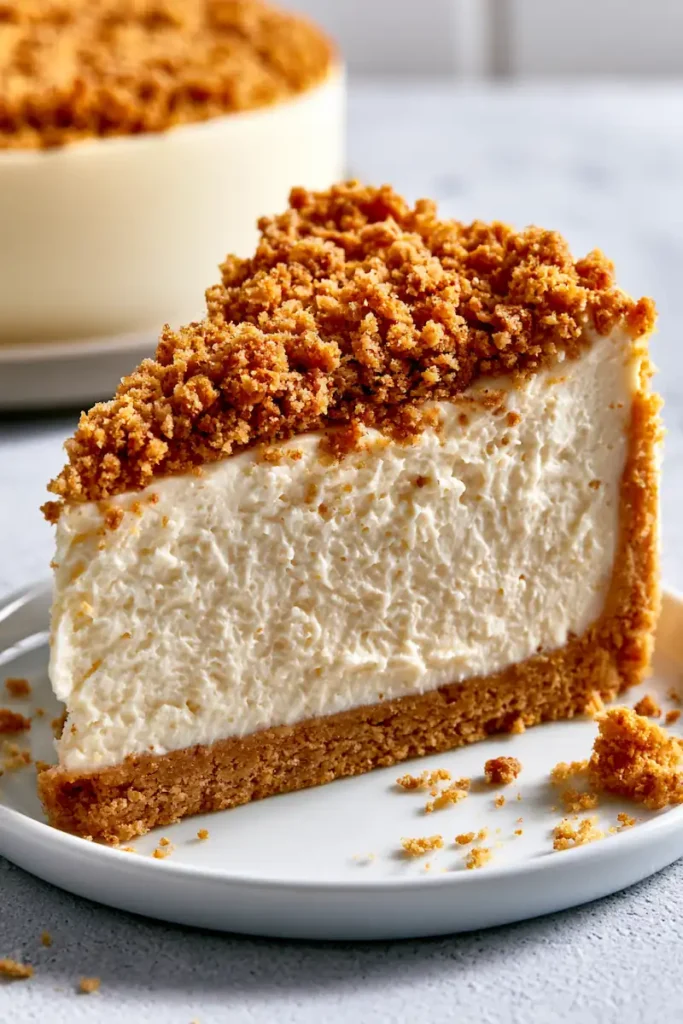
Easy to customize: Choose a cookie or biscuit that complements your filling.
No oven required: The crust becomes firm simply by chilling in the refrigerator.
Perfect for pantry cooking: Use cookies, cereal, or pretzels you already have at home.
Why Replace Graham Crackers?
Graham crackers are a traditional choice for cheesecakes, cream pies, key lime pie, and many layered desserts. However, they are not available everywhere and may be difficult to find outside the United States.
You may also need a substitute because of a gluten intolerance, food allergy, dietary preference, or simply because the box in your pantry is empty.
Changing the crust can also improve the flavor of a dessert. A chocolate cookie crust makes a creamy vanilla filling feel richer, while a pretzel crust creates a salty contrast beneath chocolate or peanut butter.
A Biscoff crust adds caramel and spice, while vanilla wafers produce a softer, sweeter flavor. The crust is not only a structural layer—it is part of the dessert’s overall personality.
For even more inspiration, browse this collection of no-bake desserts that work beautifully with different crumb crusts.
The Best Graham Cracker Substitutes for a No-Bake Crust
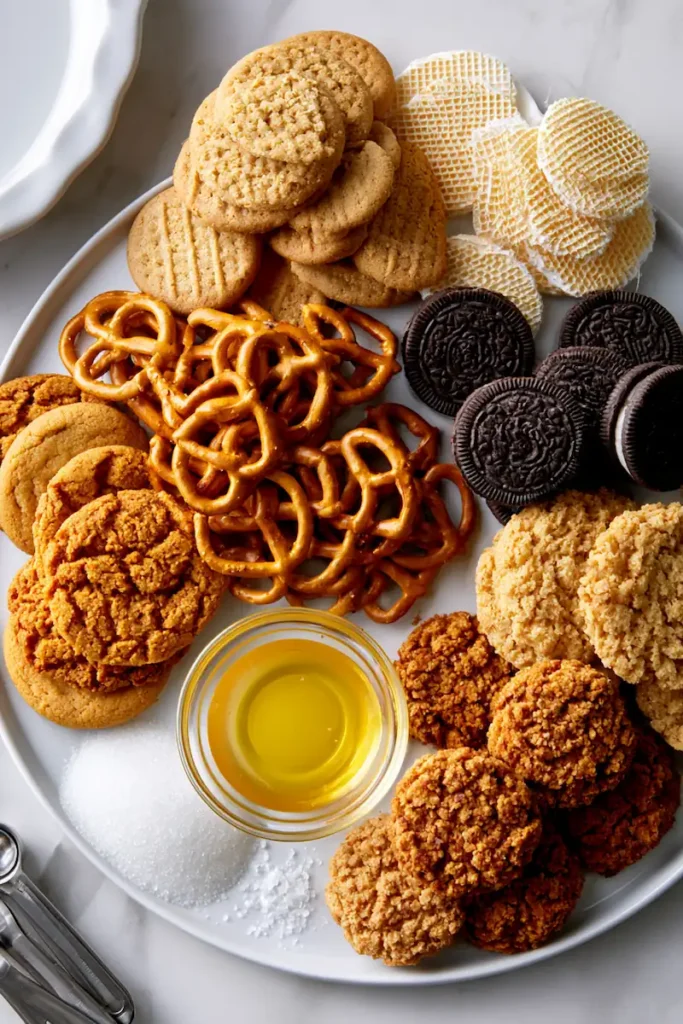
1. Digestive Biscuits
Digestive biscuits are the closest substitute for graham crackers. They have a slightly sweet, wheaty flavor and a dry, crisp texture that crushes easily.
They are an excellent choice for:
- No-bake cheesecake
- Lemon pie
- Chocolate cream pie
- Strawberry desserts
- Icebox cakes
You can generally replace graham cracker crumbs with an equal amount of digestive biscuit crumbs.
For two cups of crumbs, begin with five tablespoons of melted butter. Stir well and test the mixture by squeezing a small amount between your fingers. It should hold together without feeling greasy.
2. Vanilla Wafers
Vanilla wafers make a light, sweet crust with a gentle vanilla flavor. They work especially well with banana, strawberry, lemon, coconut, and vanilla fillings.
A vanilla wafer crust would be a natural base for desserts similar to this easy banana pudding, especially when you want a soft and nostalgic flavor combination.
Vanilla wafers are usually sweeter than graham crackers, so additional sugar is rarely necessary.
Begin with four tablespoons of melted butter for every two cups of fine crumbs. Add another tablespoon only when the mixture does not hold together when pressed.
3. Oreo Cookies
Oreo cookies create a dark, rich crust that is ideal for chocolate desserts. They pair beautifully with peanut butter, mint, vanilla, cherry, coffee, and cookies-and-cream fillings.
You can crush the entire cookie, including the cream filling. Since the filling contributes both fat and moisture, an Oreo crust normally requires less melted butter.
Start with three tablespoons of melted butter for two cups of Oreo crumbs. Mix thoroughly before deciding whether more butter is needed.
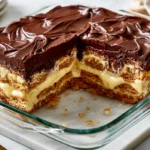
This crust would also complement the flavors found in a no-bake chocolate éclair dessert, especially for readers who prefer an even deeper chocolate base.
4. Shortbread Cookies
Shortbread cookies produce a rich, buttery crust that feels slightly more delicate than a traditional graham cracker crust.
This option is especially good with:
- Lemon filling
- Raspberry cheesecake
- Strawberry cream
- Vanilla pudding
- Caramel desserts
Because shortbread already contains plenty of butter, begin with only three tablespoons of melted butter for two cups of crumbs.
Chill the crust thoroughly before adding the filling. A shortbread crust needs time to become firm enough for clean slicing.
5. Biscoff Cookies
Biscoff cookies have a caramelized flavor with gentle notes of cinnamon and spice. They are a wonderful alternative for fall desserts, coffee-flavored fillings, pumpkin cheesecake, caramel pie, and banana desserts.
Use Biscoff crumbs in the same quantity as graham cracker crumbs. Start with four tablespoons of melted butter for two cups of crumbs.
Because Biscoff cookies are already sweet, you will not usually need additional sugar.
6. Gingersnaps
Gingersnaps add bold spice and warmth to a no-bake crust. They pair particularly well with pumpkin, apple, pear, caramel, maple, orange, and vanilla fillings.
Their crisp texture makes them easy to crush, but some brands are harder and drier than others. Start with five tablespoons of melted butter for two cups of crumbs.
Taste the crumbs before adding sugar. Most gingersnaps are already sweet enough.
7. Pretzels
Pretzels create a crunchy, salty-sweet crust that is perfect beneath strawberry, chocolate, caramel, or peanut butter fillings.
A pretzel crust can be especially delicious with a fruity layered dessert, including a variation inspired by this no-bake strawberry delight.
For the best texture, crush the pretzels finely but leave a few tiny pieces for extra crunch. Combine two cups of crushed pretzels with six tablespoons of melted butter and two to three tablespoons of sugar.
Unlike sweet cookies, pretzels usually benefit from added sugar.
8. Gluten-Free Cookies
Gluten-free cookies are the easiest option when you need a gluten-free no-bake crust. Choose a crisp cookie rather than a soft or chewy one.
Good options include:
- Gluten-free vanilla cookies
- Gluten-free chocolate sandwich cookies
- Gluten-free digestive-style biscuits
- Gluten-free shortbread
Use them as a one-to-one replacement for graham cracker crumbs. Begin with four tablespoons of melted butter and add more gradually.
When preparing the dessert for someone with celiac disease, check that every ingredient is certified gluten-free and avoid cross-contamination.
9. Crisp Breakfast Cereal
Cornflakes, crisp rice cereal, or other crunchy breakfast cereals can be used when cookies are unavailable.
Cereal crusts are lighter and less sweet than cookie crusts. They work best with creamy, sweet fillings that can provide enough flavor on their own.
Crush the cereal into small pieces, but avoid turning it completely into powder. Mix two cups of crushed cereal with five tablespoons of melted butter and two tablespoons of sugar or honey.
10. Nuts and Oats
A mixture of oats and nuts can create a rustic no-bake crust without cookies. Almonds, walnuts, pecans, or cashews all work well.
Process the nuts and oats until finely ground, then mix them with melted butter, coconut oil, maple syrup, or dates.
This alternative tastes less like a traditional cookie crust but adds a pleasant toasted flavor and more texture.
Use certified gluten-free oats when necessary.
Graham Cracker Substitute Comparison Chart
| Substitute | Main Flavor | Best Filling Pairings | Starting Butter for 2 Cups |
|---|---|---|---|
| Digestive biscuits | Lightly sweet and wheaty | Cheesecake, lemon, chocolate | 5 tbsp |
| Vanilla wafers | Sweet vanilla | Banana, strawberry, coconut | 4 tbsp |
| Oreo cookies | Rich chocolate | Chocolate, mint, peanut butter | 3 tbsp |
| Shortbread | Buttery | Lemon, berries, caramel | 3 tbsp |
| Biscoff cookies | Caramel and spice | Pumpkin, coffee, banana | 4 tbsp |
| Gingersnaps | Warm and spicy | Pumpkin, apple, maple | 5 tbsp |
| Pretzels | Salty and crunchy | Strawberry, chocolate, peanut butter | 6 tbsp |
| Gluten-free cookies | Depends on cookie | Cheesecake and cream pies | 4 tbsp |
| Crisp cereal | Light and crunchy | Sweet pudding fillings | 5 tbsp |
| Nuts and oats | Toasted and nutty | Fruit, chocolate, coconut | 4–5 tbsp |
These quantities are starting points rather than strict rules. Different cookie brands contain different amounts of sugar and fat.
Basic No-Bake Crust Without Graham Crackers
Ingredients
- 2 cups finely crushed cookies, biscuits, pretzels, or cereal
- 4 to 6 tablespoons melted unsalted butter
- 1 to 2 tablespoons granulated sugar, optional
- 1 small pinch of salt, optional
Instructions
- Place the cookies or biscuits in a food processor and pulse until they form fine crumbs.
- Transfer the crumbs to a medium mixing bowl.
- Add four tablespoons of melted butter and stir until all the crumbs are evenly moistened.
- Squeeze a spoonful of the mixture in your hand. It should hold its shape without releasing butter.
- Add more melted butter, one tablespoon at a time, only when the mixture is still too dry.
- Pour the crumbs into a 9-inch pie dish or springform pan.
- Press the mixture firmly across the bottom and slightly up the sides.
- Use the flat bottom of a glass or measuring cup to compact the crust evenly.
- Refrigerate for at least 30 minutes before adding the filling.
- Keep the completed dessert chilled until ready to serve.
How Much Butter Should You Use?
The correct amount of butter depends on the type of substitute you choose.
Dry biscuits, pretzels, and cereal need more butter because they contain less fat. Shortbread and cream-filled cookies need less because they are already rich.
The finished mixture should resemble damp sand. When pressed between your fingers, it should hold together.
If the crumbs still fall apart, add another teaspoon or tablespoon of butter. If the mixture looks glossy, wet, or greasy, you have probably added too much.
Add a few extra dry crumbs to correct an overly buttery mixture.
How to Choose the Best Substitute for Your Filling
The easiest way to choose a graham cracker substitute is to consider the main flavor of your dessert.
Use digestive biscuits for a neutral crust that works with almost anything. Choose Oreos for chocolate, peanut butter, mint, or coffee fillings.
Vanilla wafers pair well with banana, strawberry, coconut, and vanilla. Shortbread is excellent with lemon or berries, while gingersnaps and Biscoff complement warm spices and caramel.
A crisp cookie crust would be lovely beneath a chilled citrus filling such as the one in this lemon icebox dessert.
For a more playful dessert, use pretzels with strawberry or chocolate. Their saltiness keeps sweet fillings from tasting too heavy.
How Long Should a No-Bake Crust Chill?
A no-bake crust should chill for at least 30 minutes before you add the filling. However, one hour is even better when the crust is made with a soft or buttery cookie.
After the filling is added, the complete dessert may need several more hours in the refrigerator.
Fruit-based layered desserts often require a longer chilling time so that the filling becomes stable and the crust absorbs just enough moisture. For a practical example, see this guide to how long strawberry delight needs to chill.
Do not freeze the crust simply to save a few minutes unless the recipe specifically recommends it. Rapid freezing can make some crusts overly hard and difficult to slice.
Common No-Bake Crust Mistakes
Leaving the Crumbs Too Large
Large cookie pieces make the crust difficult to compress. They also create gaps that allow the filling to leak through.
Process the cookies until most of the crumbs are fine and even.
Adding All the Butter at Once
Every brand of cookie is different. Begin with less butter and add more only as needed.
It is much easier to correct a dry crust than an oily one.
Pressing the Crust Too Lightly
A loosely packed crust will fall apart when sliced. Use the bottom of a glass or dry measuring cup to press the crumbs firmly into the pan.
Pay special attention to the corners and edges.
Skipping the Chilling Time
The butter needs time to cool and become firm. Adding the filling immediately can cause the crust to break apart or mix into the creamy layer.
Chill the crust for at least 30 minutes.
Adding a Warm Filling
A warm filling can melt the butter that holds the crust together. Let cooked pudding, chocolate, or fruit mixtures cool before spreading them over the crust.
Using Too Much Sugar
Many cookies are already sweet. Taste the crumbs before adding extra sugar.
Sugar is most useful with pretzels, plain cereal, oats, or unsweetened nuts.
Can You Make a No-Bake Crust Without Cream Cheese?
Cream cheese is not needed to prepare the crust itself. A basic crumb crust only needs crushed cookies or biscuits and melted butter.
You can fill it with pudding, whipped cream, yogurt, fruit, coconut cream, chocolate mousse, or another chilled mixture.
Readers who prefer lighter or dairy-free ideas can also explore these no-bake desserts without cream cheese.
Storage Instructions
An unfilled no-bake crust can be covered and refrigerated for up to three days. Keep it in the pan to prevent cracking.
Once filled, storage time depends on the filling. Most cream, pudding, or cheesecake-style desserts should remain refrigerated and are best eaten within three to four days.
You can freeze many cookie crusts, but they should be wrapped carefully to prevent freezer odors and moisture. Thaw the crust in the refrigerator before serving.
Nutrition Information
The nutritional values will vary considerably depending on the cookies, butter, and filling used.
| Nutrient | Approximate Amount Per Slice |
|---|---|
| Calories | 190 |
| Carbohydrates | 22 g |
| Protein | 2 g |
| Fat | 11 g |
| Saturated Fat | 6 g |
| Sugar | 10 g |
| Sodium | 160 mg |
These values are estimates for a simple cookie crust divided into eight servings. Oreo, nut, pretzel, and gluten-free versions will have different nutritional profiles.
The Crust Substitute I Reach for First
When graham crackers are unavailable, I usually reach for plain crisp cookies because their mild flavor works with many fillings. I taste the crumbs before adding sugar, since some cookies are already sweet enough.
Pressed Crust or Cookie Layers: Use the Substitute Differently
A crushed-cookie crust and a layered icebox dessert may use the same biscuits, but they do not prepare them the same way. For a pie or cheesecake-style base, crush the substitute into fine crumbs and combine it with melted butter so it can be pressed into the pan. For an éclair-style dessert, keep the cookies mostly whole and let the creamy filling soften them during a long chill. Adding butter to those whole-cookie layers would change the texture and make assembly messier. Decide which format your recipe needs before opening the package.
If you are making a pressed base, pay attention to how much fat the cookie already contains. A plain digestive biscuit is drier than a sandwich cookie with cream filling, so it usually needs a different amount of melted butter. For a layered dessert, size and shape matter more: choose a cookie you can place in a reasonably even single layer and break to fill small gaps. The no-bake chocolate éclair dessert illustrates the layered approach, while the crust method in this guide is designed for a pan base.
This distinction also helps prevent an unsuitable swap. A finely crushed cereal can make a pressed crust, but it will not behave like a broad cracker sheet in an éclair dessert. Conversely, a soft cookie may fit neatly into layers yet crumble into a greasy pressed base if you use too much butter. Match the substitute to the role it has to play, then use the individual dessert’s own assembly and chilling directions.
Test the Crumb Mixture Before Pressing the Whole Pan
After mixing the crumbs with part of the melted butter, squeeze a small handful. It should stay together when you open your fingers without leaving an oily coating on your hand. If it falls apart immediately, add a little more of the measured butter, mix thoroughly, and test again. If it feels greasy, do not automatically add more crumbs to the whole batch; first check that the butter is evenly distributed. Testing a small sample gives you feedback before the entire mixture is compacted in the pan.
Pour the mixture into the dish and spread it to a roughly even depth before pressing. Start at the center and work toward the sides with the bottom of a flat measuring cup or glass. Press firmly enough to eliminate loose gaps, but do not grind the crumbs into an excessively hard slab. If the recipe calls for crust up the sides, build the edge gradually rather than pushing one large pile straight up the wall. A level base makes a cream filling easier to spread without tearing crumbs loose.
Chill the empty crust for the time given in this guide before adding a filling. If you plan to make no-bake strawberry delight, follow that recipe’s own layers and setting time as well. The base and the complete dessert have separate chilling jobs: the first helps the crumbs hold, and the second lets the filling set. Skipping the first interval can make a well-measured crust shift as soon as the filling is spread.
Slice a No-Bake Dessert Without Losing the Crust
A successful substitute crust should hold together when served, not just while sitting in the refrigerator. Wait until the full dessert has chilled according to its recipe before cutting. If you are using a springform pan, release the ring gently and inspect the edge before moving the dessert. For a pie plate, cut through the filling and crust with a sharp knife, then slide a thin server underneath the entire slice. Trying to lift only the creamy top can leave the crumb base behind.
If a few crumbs scatter on the first serving, check whether the mixture was pressed firmly and whether it chilled long enough. A crust that breaks into large dry pieces may need a slightly better crumb-to-butter balance next time. A crust that smears or feels oily may contain more butter than that particular cookie requires. Make a note of the brand and amount you used; the best ratio is easier to repeat when you remember the actual product instead of only the type of cookie.
Serve the dessert cold if its filling requires refrigeration, and return the remaining portions to the refrigerator after serving. For another chilled dessert with a different format, compare easy banana pudding: its wafers soften within pudding layers rather than forming a pressed base. That comparison makes it clearer why a good graham cracker substitute is chosen not only for flavor, but also for whether it needs to bind as crumbs or soften as a whole cookie.
Frequently Asked Questions
Can I use digestive biscuits instead of graham crackers?
Yes. Digestive biscuits are one of the closest substitutes for graham crackers. Replace the crumbs in equal amounts and adjust the melted butter as needed.
Can I use Oreos instead of graham crackers?
Yes. Crush the whole Oreo cookies, including the cream filling. Begin with less melted butter because the filling helps bind the crumbs.
Can I use vanilla wafers for a no-bake cheesecake crust?
Yes. Vanilla wafers create a sweet and delicate crust that works especially well with banana, strawberry, lemon, coconut, or vanilla cheesecake.
What can I use for a gluten-free no-bake crust?
Use certified gluten-free cookies, gluten-free digestive-style biscuits, nuts and dates, or a mixture of certified gluten-free oats and nuts.
How do I keep my no-bake crust from falling apart?
Use fine crumbs, add enough melted butter, press the mixture firmly into the pan, and chill it for at least 30 minutes before adding the filling.
Final Thoughts
Start with a little less melted butter than the original graham-cracker recipe uses. Add more only until the crumbs hold together when squeezed in your hand.
Press the mixture firmly into the pan and chill it before adding the filling. Fine crumbs, the correct amount of butter, and enough chilling time matter more than the specific cookie you choose.