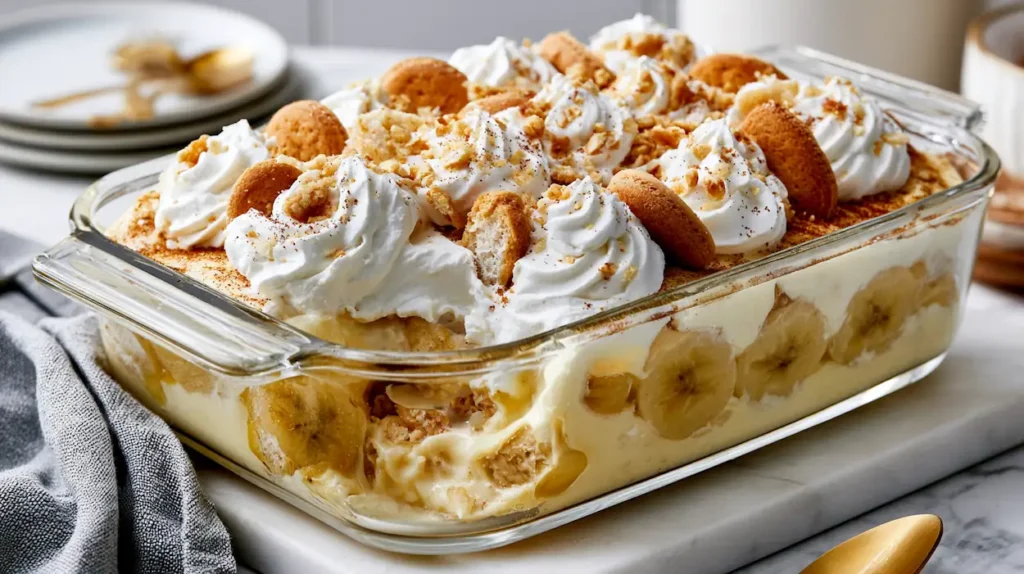
Yes, banana pudding can be made the night before. In fact, an overnight rest softens the cookies and helps the layers hold together, but the banana slices need a little care to keep their color and texture.
For the best result, assemble it 8 to 24 hours before serving, use bananas that are yellow but still firm, and cover the surface well before refrigerating.
Whether you’re preparing dessert for a family gathering, a picnic, or simply craving something sweet the next day, banana pudding is one of the easiest make-ahead desserts you can prepare.
| Prep Time | Chill Time | Total Time | Servings |
|---|---|---|---|
| 15 minutes | Overnight | 8+ hours | 8 servings |
Why You’ll Love Making Banana Pudding Ahead
✨ The flavors become richer overnight.
✨ The pudding thickens perfectly while chilling.
✨ It saves time on busy days.
Quick Answer
If you’re wondering, “Can I make banana pudding the night before?”, the answer is yes. In fact, chilling it overnight often improves the texture and flavor. Simply cover it tightly and refrigerate for up to 24 hours before serving.
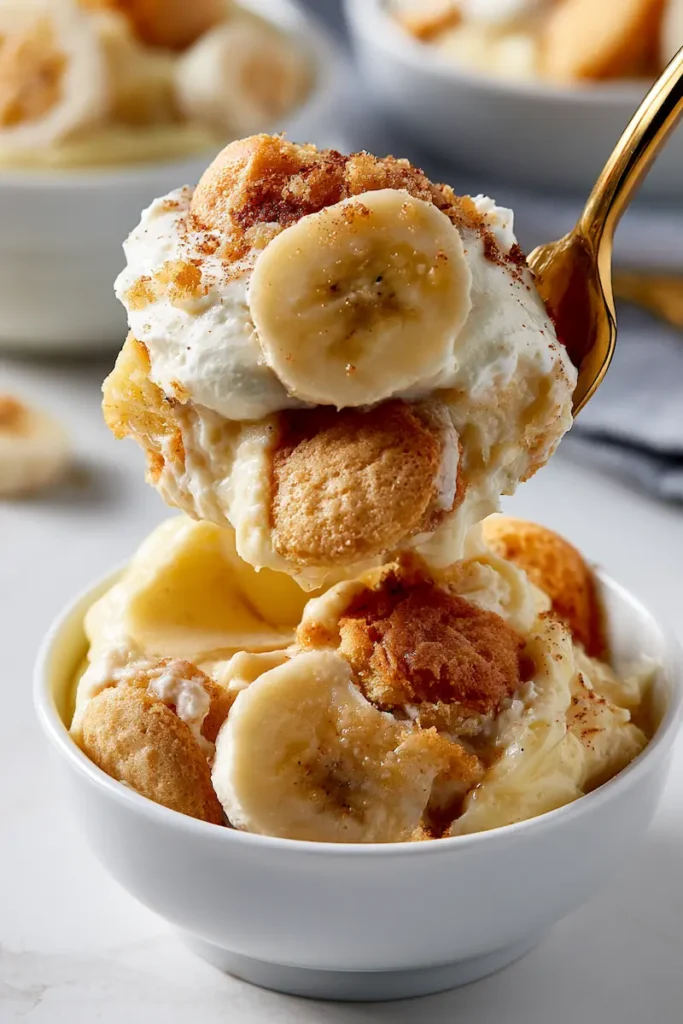
Why Overnight Banana Pudding Tastes Better
Banana pudding is one of those rare desserts that improves with time.
When refrigerated overnight:
- Vanilla wafers absorb moisture from the pudding.
- The layers become soft and creamy.
- The banana flavor spreads throughout the dessert.
- The pudding thickens naturally.
Many Southern banana pudding recipes are traditionally prepared a day ahead because the texture becomes more luxurious after several hours in the refrigerator.
The One Challenge: Bananas Turning Brown
The biggest concern when making banana pudding ahead is browning bananas.
Bananas naturally oxidize when exposed to air. While this doesn’t make them unsafe to eat, it can affect appearance.
How to Prevent Bananas from Browning
Try these simple tricks:
- Use bananas that are ripe but still slightly firm.
- Toss slices lightly with lemon juice.
- Keep bananas fully covered by pudding layers.
- Seal the dessert tightly with plastic wrap.
These methods help keep your pudding looking fresh and beautiful the next day.
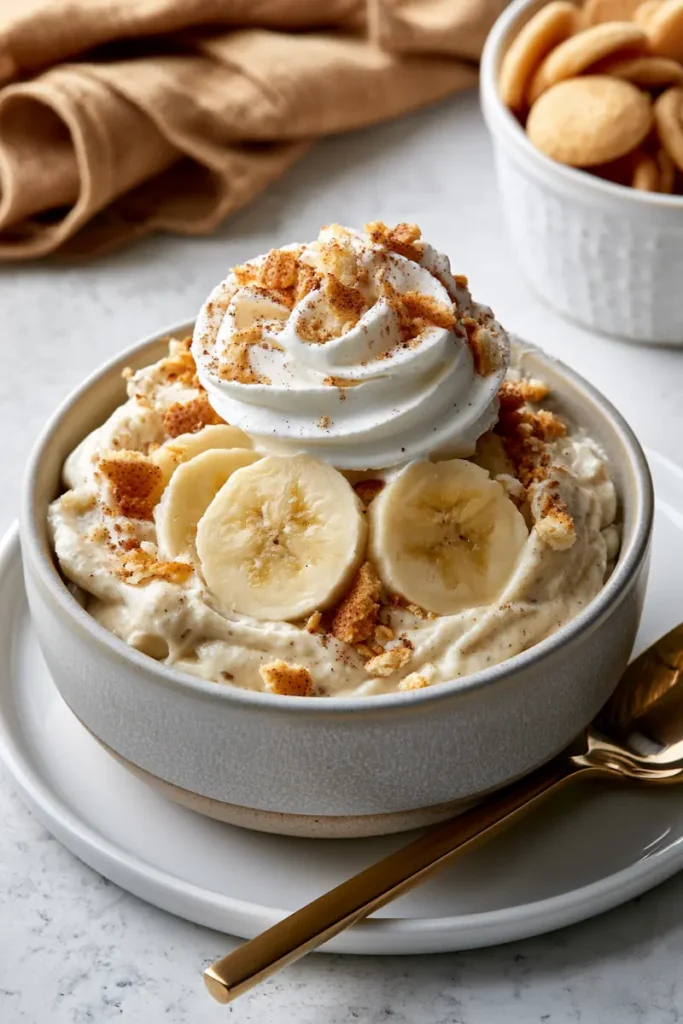
Best Banana Pudding Make-Ahead Timeline
24 Hours Ahead
Perfect timing.
The pudding becomes creamy while bananas stay fresh.
48 Hours Ahead
Still acceptable, but bananas may begin to soften significantly.
More Than 48 Hours
Not recommended.
The texture can become overly soft and bananas may discolor.
Step-by-Step Make-Ahead Method
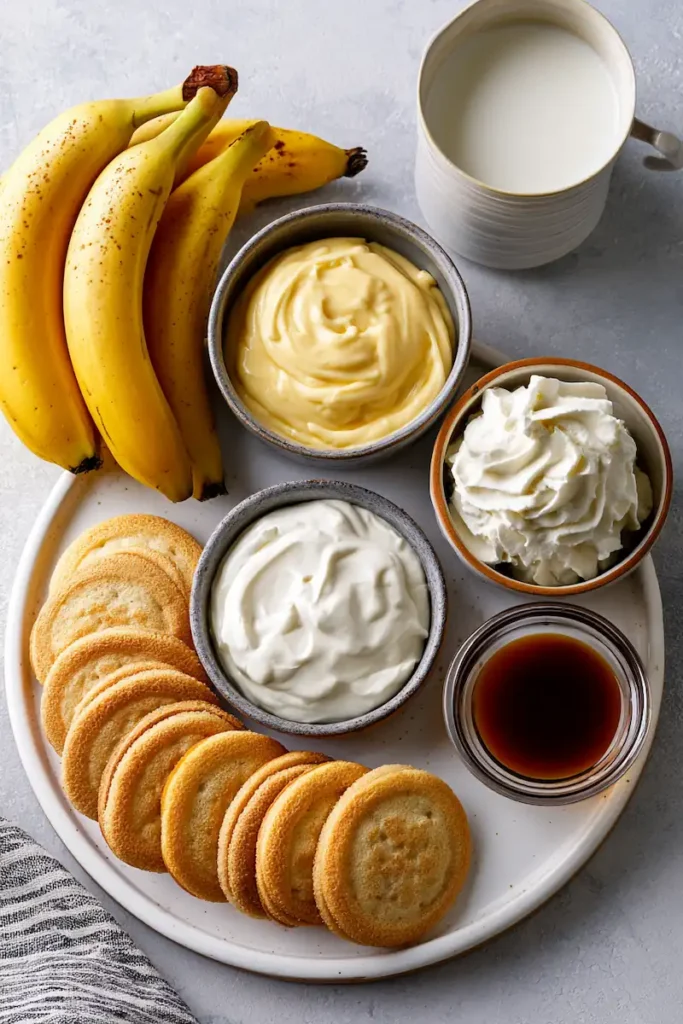
Ingredients
- 2 boxes instant vanilla pudding mix
- 4 cups cold milk
- 1 can sweetened condensed milk
- 1 teaspoon vanilla extract
- 4 bananas, sliced
- 1 package vanilla wafers
- Whipped topping
Instructions
- Whisk pudding mix and milk until smooth.
- Add sweetened condensed milk and vanilla.
- Let the mixture thicken for 5 minutes.
- Layer wafers in the bottom of a serving dish.
- Add banana slices.
- Spread pudding mixture over bananas.
- Repeat layers.
- Top with whipped topping.
- Cover tightly.
- Refrigerate overnight.
Should You Add Bananas Right Away?
There are two schools of thought.
Option 1: Add Bananas Immediately
Best for flavor.
The bananas infuse the pudding overnight, creating the classic banana pudding taste.
Option 2: Add Bananas Before Serving
Best for appearance.
If presentation matters, prepare the pudding layers the night before and add fresh banana slices just before serving.
Can You Freeze Banana Pudding?
Freezing is generally not recommended.
The pudding may separate after thawing, and bananas often become mushy.
For best results, refrigerate instead of freezing.
Serving Tips for the Next Day
Before serving:
- Remove from refrigerator 10 minutes beforehand.
- Add extra whipped topping if desired.
- Garnish with fresh banana slices.
- Sprinkle crushed vanilla wafers on top.
This gives the dessert a freshly made appearance even after chilling overnight.
Other Easy Make-Ahead Desserts You’ll Love
If you enjoy preparing desserts ahead of time, you may also like our guide to No-Bake Desserts.
For another chilled favorite, try our creamy No-Bake Strawberry Delight.
If you’re looking for more overnight dessert inspiration, check out How Long Does Strawberry Delight Need to Chill?
And if you love banana-based treats, don’t miss our delicious Easy Banana Pudding recipe.
Common Mistakes to Avoid
Using Overripe Bananas
Very soft bananas can become mushy overnight.
Not Covering the Dish
Exposure to air can dry out the pudding and brown the fruit.
Adding Too Much Lemon Juice
A little helps prevent browning, but too much can alter the flavor.
Serving Immediately After Preparation
Banana pudding needs time to chill and set properly.
How I Prepare Banana Pudding for Family Meals
I assemble banana pudding early enough for the layers to settle, but I save a few fresh banana slices or cookie crumbs for serving. That way the dessert is creamy inside and still looks fresh on the table.
Layer the Pudding So the Wafers Soften Evenly
A make-ahead banana pudding depends on the order and thickness of its layers. Start with a smooth layer of prepared pudding in the bottom of the dish so the first wafers have contact with moisture. Add wafers in a fairly even layer, then banana slices, then more pudding. Repeat until the dish is filled, following the quantities in your recipe. If the wafers are stacked in thick piles, some may stay dry while others turn very soft. A single, consistent layer gives the overnight chill a better chance to soften them at roughly the same pace.
Slice the bananas shortly before assembling rather than leaving cut fruit on a board while you prepare everything else. Choose the firm yellow bananas recommended in the original guide. Arrange slices so that most are covered by pudding instead of exposed at the surface, where they are more likely to discolor. If appearance is especially important, save a few fresh slices for garnish at serving time. This gives you the classic banana flavor within the dessert and a fresh-looking top without asking every slice to remain bright after a night in the refrigerator.
Use the back of a spoon to spread the pudding gently into corners, but do not press the wafers into a dense paste. The goal is distinct layers that will soften together, not a fully mixed bowl. A wide dish makes it easier to portion squares; individual cups make serving simpler at a gathering. Both formats still need enough chill time for the cookies to absorb moisture. For exact ingredients and assembly quantities, follow the site’s easy banana pudding recipe rather than guessing from the make-ahead timeline alone.
Plan the Night-Before and Serving-Day Tasks
The most useful way to make banana pudding ahead is to separate assembly from final presentation. On the evening before serving, prepare the pudding, cut the bananas, and build the layers. Cover the dish well and place it in the refrigerator as soon as assembly is finished. The guide’s ideal window is roughly 8 to 24 hours: long enough for the wafers to soften, but short enough that the fruit should still have a pleasant texture. If your own recipe has different chilling instructions, use those as the primary timing guide.
On serving day, leave the cover in place until you are ready to finish the dessert. Check whether the topping looks smooth and whether the wafers have softened. Add any reserved fresh banana garnish close to serving, not the night before. If you are using whipped topping, follow the original recipe’s directions for whether it belongs in the assembled layers or as a last-minute finish. Give yourself a few minutes to wipe the rim of the dish and set out a large serving spoon; small presentation steps are easier when you are not also mixing pudding for the first time.
For a party, plan refrigerator space before you begin. A wide casserole dish needs a flat shelf, and a stack of individual cups needs room where it will not tip. Keep the pudding chilled during storage and travel, and put it out when you are ready to serve rather than leaving it on a warm table through the whole event. If you need a different chilled dessert to prepare alongside it, the no-bake strawberry delight offers another option, with its own chilling instructions. Do not assume both desserts have exactly the same set time.
Troubleshoot Texture After the Overnight Chill
When you uncover the pudding the next day, look at both the creamy layer and the wafers. If the cookies are still very crisp, the dessert may need more time in the refrigerator, or the wafers may not have had enough contact with pudding. Do not stir the entire dish to fix this; that would destroy the layers without giving each cookie an even coating. Serve after the recommended chill and make a note to spread the layers more consistently next time. A little texture in the cookies is a preference, so not every serving needs to be uniformly soft.
If the pudding seems loose, consider whether it was fully prepared and allowed to set before or during assembly according to the recipe. A very wet fruit layer can also make the dish seem softer than expected. Give the dessert its complete chilled interval before judging it, then serve it in bowls if it does not hold neat squares. Extra wafers scattered on top at the last minute can add crunch, but they will not thicken a loose pudding layer. For another chilled dessert where set time is central, read how long strawberry delight needs to chill; use its timing for that dessert only.
Browned banana slices are mainly a presentation issue if the dessert otherwise looks and smells as expected. Covering slices with pudding and keeping the dish well wrapped can reduce exposure to air. Avoid pouring a large amount of lemon juice into the layers just to preserve color; it can change the flavor and loosen the texture. If a few top slices have darkened, add fresh slices as a garnish just before serving. For the next batch, choose firmer fruit and minimize the time between slicing and layering.
Choose the Best Make-Ahead Dessert for Your Schedule
Banana pudding is a good choice when you can assemble dessert the previous evening and keep it refrigerated until the meal. The waiting period is useful because it changes the wafers from crisp to cake-like. It is less convenient if you need to bake, freeze, or leave dessert unrefrigerated for a long stretch. Think about the actual serving schedule before deciding that every no-bake dish is equally suited to the same plan. A fruit dessert that is meant to be served warm, such as cobbler, follows a completely different timeline.
If you have only a short window before guests arrive, choose a dessert whose setting time matches that window instead of rushing banana pudding. The site’s easy no-bake dessert collection can help you compare options, but read each individual recipe for its ingredients, chill time, and storage guidance. If you have the full evening, assemble banana pudding early enough that the wafers can soften overnight, then reserve finishing touches for the next day. This divides the work naturally and leaves the kitchen free for the main meal.
The format matters too. A large dish is efficient for a family meal; small cups are convenient when guests serve themselves. With cups, try to keep the layers similar in each one so that the first person does not get mostly pudding while the last gets mostly wafers. For a crowd that prefers a different flavor, the no-bake desserts guide offers alternatives. Banana pudding’s advantage is its combination of familiar ingredients and an overnight rest that actually improves the wafer texture, provided you protect the banana slices and keep the dessert chilled.
Frequently Asked Questions
Can I make banana pudding the night before for a party?
Yes. Overnight chilling is actually ideal and helps improve texture and flavor.
Will bananas turn brown overnight?
They may darken slightly, but proper layering and covering greatly reduce browning.
How long does homemade banana pudding last?
Typically 2–3 days in the refrigerator.
Can I make banana pudding two days ahead?
You can, but the bananas may become softer and less appealing.
Is banana pudding better the next day?
Many people believe it is. The flavors deepen and the texture becomes creamier after chilling overnight.
Final Thoughts
Making banana pudding one night ahead gives the cookies time to become soft and cake-like without completely disappearing into the filling. I would not push it much beyond two days because the bananas continue to soften.
For a fresh-looking top, save a few banana slices, cookies, or whipped cream for serving time. Keep the pudding refrigerated and return leftovers to the refrigerator promptly.
Related LunEat Guides
Continue with these closely related guides: