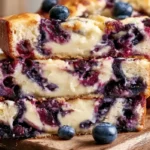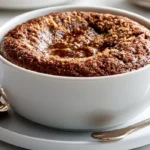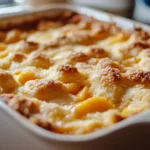
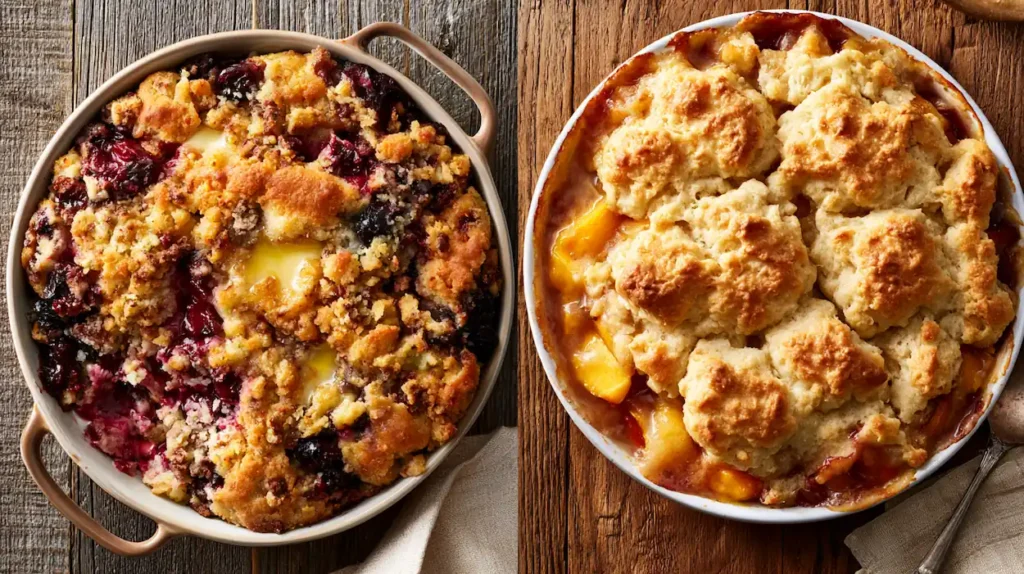
Dump cake and cobbler both put fruit under a baked topping, but the topping is what separates them. Cobbler uses a mixed dough or batter, while dump cake layers dry cake mix and butter directly over the filling.
That difference changes the texture and the amount of control you have. Cobbler gives a biscuit-like or cakey top; dump cake is faster but can leave dry patches if the butter is not distributed evenly.
The short answer
A cobbler has a biscuit-like topping that’s made separately and dropped or spread over the fruit before baking. A dump cake is exactly what it sounds like — you dump a box of cake mix (dry, straight from the box) over the fruit, add some butter on top, and let the oven do the rest. No mixing bowl, no batter, no biscuit dough. That’s the whole trick.
Cobbler: the one with actual dough
Cobblers go back further. The topping is a real dough or batter — sometimes biscuit-style, sometimes more like a thick pancake batter — and you make it on purpose. It gets dropped in spoonfuls over the fruit (which is where the “cobbled” look comes from, like cobblestones) or poured over in one layer. Either way, there’s an actual mixing step involved before it touches the fruit.
The texture is the giveaway. A good cobbler topping is tender and a little craggy, almost like a biscuit that fell in love with a fruit pie. If you’ve made my Peach Cobbler with Cake Mix, you’ve technically made a hybrid — it uses cake mix for ease, but it’s built and baked like a true cobbler, with the topping going on in a more deliberate layer rather than just dumped and forgotten.
Dump cake: the lazy genius move
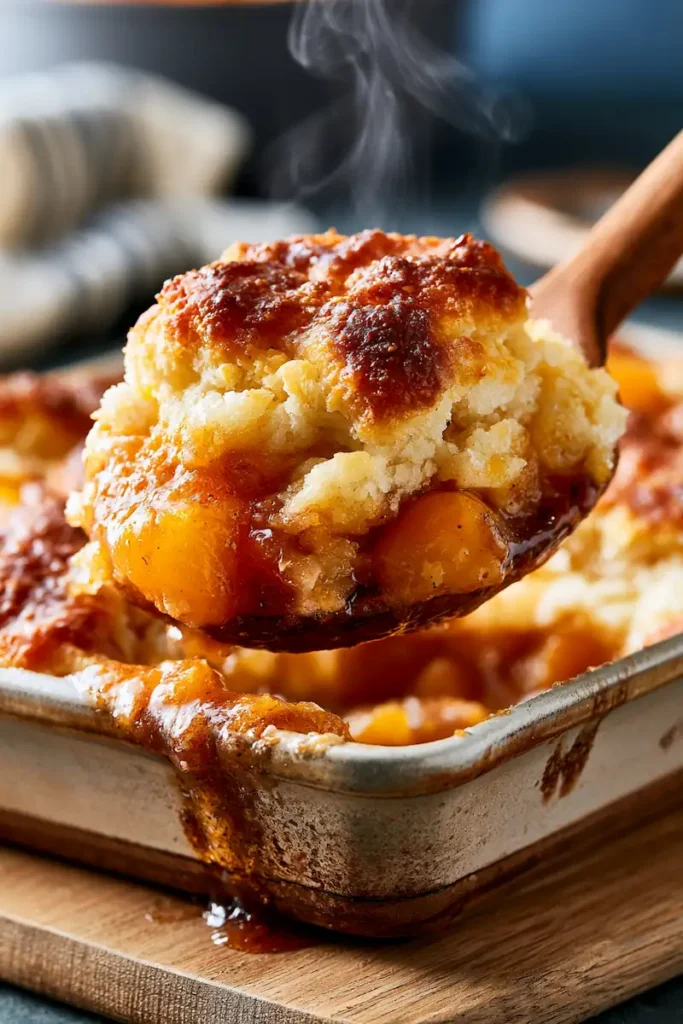
Dump cake is the dessert equivalent of throwing your hands up and saying “good enough” — except it actually works beautifully. You layer fruit (canned, frozen, fresh, whatever you’ve got) in a baking dish, dump dry cake mix straight on top, dot it with butter, and bake. The butter melts down into the dry mix as it bakes, creating these uneven, slightly crumbly, slightly gooey patches that are somehow better than anything you’d get from following a real recipe.
It’s not trying to be elegant. It’s trying to get dessert on the table with the least amount of effort and dishes possible, and that’s exactly why I love it. My 3-Ingredient Chocolate Cherry Dump Cake is the clearest example — three ingredients, no bowl, no whisk, and it still tastes like you tried.
So how do you actually tell them apart?
- Effort before baking: Cobbler topping is mixed first. Dump cake topping is dumped dry, no mixing.
- Texture: Cobbler is more uniform and biscuit-like. Dump cake is messier, with crisp edges and gooey pockets.
- Ingredient list: Cobbler usually needs flour, sugar, butter, and a leavener measured out. Dump cake just needs a box of cake mix and butter on top.
- Effort level: Cobbler asks a little more of you. Dump cake asks almost nothing.
Neither one is “better” — they’re just different kinds of easy. If I’m in the mood to actually cook something, I reach for a cobbler. If it’s a Tuesday and I forgot dessert exists until 6pm, dump cake wins every time.
Which one should you make tonight?
Choose cobbler when you want a homemade dough topping and do not mind mixing it separately. Choose dump cake when speed matters and you have canned fruit or pie filling and a box of cake mix.
For either dessert, bake until the fruit bubbles near the center, not only around the edges. This is a better sign of doneness than judging the color of the topping alone.
Dump cake vs cobbler at a glance
| Feature | Dump cake | Cobbler |
|---|---|---|
| Topping | Dry cake mix and butter | Biscuit, batter, or pastry topping |
| Mixing | Ingredients are layered | Topping is mixed separately |
| Texture | Crumbly and cake-like | Soft inside with a baked crust |
| Best served | Warm or room temperature | Warm |
Which One I Choose When I Want an Easy Dessert
I choose a dump cake when speed matters most and a cobbler when I want a more homemade topping. Both are comforting, but the time I have and the texture I want usually make the decision for me.
Choose the Fruit Filling for Either Dessert
The same fruit can sit beneath a dump cake or a cobbler, but its moisture changes the final bite. Canned pie filling is already sweetened and thickened, so it is convenient for a quick layered dessert. Fresh peaches or berries give you more control over the flavor, yet they may release juice as they bake. Frozen fruit can work too, although it may need a longer bake before the center becomes hot and bubbly. Whatever you choose, spread the filling evenly across the dish so the topping does not sit over a deep mound in one corner and a thin layer in another.
Taste fresh fruit before deciding how much sugar belongs in a recipe. Very ripe fruit may need less sweetness than tart fruit, while canned filling often needs no extra sugar at all. Follow the chosen recipe’s instructions for any thickener instead of assuming one amount will suit every fruit. If you switch from peaches to berries, the appearance of bubbling juices and the way the filling sets may change. The fresh peach crisp shows another way to bake juicy peaches beneath a topping; it is a crisp, so its top is different from either dessert discussed here.
Keep the fruit visible around some edges when making cobbler. Those gaps let you see whether the filling is bubbling near the center, which is more useful than judging a golden topping alone. In a dump cake, a more complete cake-mix layer is common, so look for bubbles at the edge and in any breaks in the surface. Let either dessert stand briefly after baking to allow the hot filling to settle before serving. This pause also makes it easier to compare the textures: a cobbler has deliberate pieces of dough, while a dump cake has a more irregular cake-mix crust.
How the Topping Method Changes the Texture
For cobbler, mix the topping according to the recipe before it touches the fruit. Spoonfuls of biscuit-style dough leave small channels where the filling can bubble through, creating a craggy surface. A batter-style cobbler spreads differently and may cover more of the fruit, but it is still a prepared mixture rather than dry powder. Handle the dough only as much as the recipe calls for. Excess mixing can make a tender topping heavier, and smoothing every mound into a perfect sheet removes the varied texture that many people like in cobbler.
For a classic dump cake, keep the cake mix dry when you spread it over the filling; adding eggs or liquid in a bowl first turns it into a different kind of cake. Distribute the dry mix in an even layer, then cover it with butter as the recipe specifies. The butter melts through the powder during baking. If large patches of dry cake mix remain exposed, those spots may taste dusty even if the fruit underneath is hot. The solution is better distribution at assembly, not stirring the entire pan after it has started baking.
These methods also explain why a recipe’s name does not always tell the full story. A peach cobbler with cake mix uses a shortcut ingredient but organizes its topping more deliberately than a simple layered dump cake. Read the actual steps: if you mix a dough or batter and place it over fruit, expect a cobbler-like top; if you layer dry mix and butter directly in the dish, expect the uneven, crumbly surface of a dump cake. The method is more reliable than the label when you are choosing a recipe.
Bake Until the Filling and Topping Are Both Ready
A golden top does not always mean the fruit beneath is finished. Watch for steady bubbling beyond the very edge of the dish, especially when the filling began with frozen fruit. If the surface colors quickly while the center remains quiet, check the recipe’s temperature and give the filling more time rather than serving an underheated middle. A glass or ceramic dish may behave differently from a metal pan, so use the recipe’s baking time as a range and the filling as the final visual check.
Inspect the topping itself as well. Cobbler dough should no longer look raw or wet in its thickest mound. A cake-mix topping should show buttered, baked patches rather than a broad layer of loose dry powder. If you notice a small dry spot on a dump cake near the end, consult the particular recipe before adding more butter; changing amounts without a plan can make one area greasy. On the next attempt, spread the cake mix more evenly and position the measured butter so it reaches more of the surface.
After the dish comes out, let it stand long enough for the bubbling fruit to calm down. A scoop taken immediately can seem runny simply because the filling is still boiling hot. The resting interval does not turn a watery filling into a thick one, but it gives you a fairer sense of the baked texture. If your goal is a fruit dessert with a distinct crisp topping instead, compare the old-fashioned berry crisp. A crisp’s crumb topping behaves differently, and that contrast helps you decide which texture you actually want before you turn on the oven.
Plan Serving and Leftovers Around the Dessert You Choose
A cobbler is especially appealing when served warm, because the contrast between soft fruit and tender topping is strongest shortly after baking. Spoon a portion into a bowl so some fruit and some dough land in every serving. If you add ice cream, place it on the serving rather than on the whole pan; that keeps the remaining topping from becoming damp. A dump cake can be served warm too, but its irregular buttered cake-mix topping may taste good after it has cooled to room temperature. Choose the timing that suits the recipe and the meal.
If you are preparing dessert for guests, consider how much work you want just before serving. A dump cake’s layered assembly is easy to do in the baking dish, while a cobbler asks you to prepare its topping. Either can be baked ahead within the guidance of its individual recipe. For a party with very little prep time, the three-ingredient chocolate cherry dump cake illustrates the low-effort route. If you have fresh fruit to showcase, a deliberately topped cobbler makes the fruit and topping feel like separate parts of the dessert.
Store leftovers covered according to the recipe’s instructions and reheat only the portion you intend to eat. Repeated warming can make a tender cobbler topping firm and a dump cake surface softer. If the topping has lost its initial texture, serve the leftovers in a bowl and focus on the fruit rather than expecting the just-baked crust again. For another peach-based option that is easy to portion, the caramel peach cobbler muffins offer a different format. They are muffins, not a substitute for either pan dessert, but they may suit a gathering where individual servings are more practical.
Frequently Asked Questions About Dump Cake and Cobbler
Can I use the same fruit in both desserts?
Yes. Peaches, cherries, apples, and berries all work, but the amount of added sugar and thickener may need to change depending on how juicy the fruit is.
Which dessert is easier for beginners?
Dump cake is usually easier because the ingredients are layered directly in the baking dish. Cobbler requires a separate topping, but gives you more control over the final crust.