If you’re planning more cozy baking this season, these easy fall treats are perfect for crisp autumn evenings.
Table of Contents

Apple cider has a gentle acidity that can make a fall dessert taste more like fresh apple, but only when its flavor is concentrated enough. In this collection, I explain which ideas benefit from reduced cider and which ones can use it straight from the bottle.
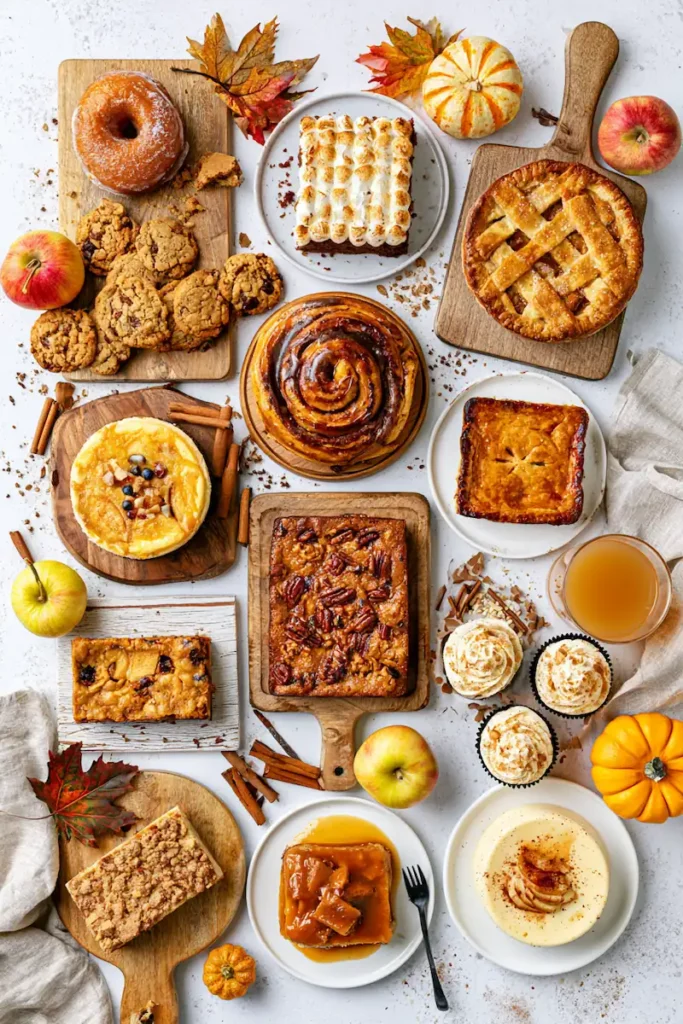
These are twelve different directions rather than twelve identical cakes: there are donuts, bars, cookies, bread pudding, cheesecake, and a simple panna cotta. Choose according to the time you have and the texture you want.
Choose an Apple Cider Dessert by Time, Texture and Equipment
Begin with the moment you want to serve dessert, then work backward. Cookies and blondies fit an informal afternoon bake, but they still need time to cool enough to handle. A glazed Bundt cake needs cooling time before decorating. Cheesecake and panna cotta require a much longer gap between preparation and serving because their final texture depends on chilling. The shortest mixing time does not always mean the soonest dessert.
Next, choose the texture that appeals to you. Donuts offer a cinnamon-sugar surface, crumb cake adds a crisp topping, and bread pudding is soft enough to eat with a spoon. Bars are easy to divide among guests, while individual panna cotta cups avoid slicing altogether. For a gathering, choosing contrasting textures is often more useful than making several similar cakes.
Check the equipment before committing. A Bundt cake needs a suitable pan; donuts may require a donut pan or a frying method, depending on the recipe. Those versions are not interchangeable just because they share a flavor. This collection describes dessert ideas, so use a complete recipe for the chosen format before measuring ingredients. Its pan size, quantities and doneness cues supply the details that a short overview cannot.
If you want a seasonal spread with a flavor beyond cider, browse the easy fall treats collection for pumpkin, maple and apple ideas. Pick one centerpiece and one simpler companion. That keeps the preparation manageable and gives the apple cider dessert room to stand out.
1. Apple Cider Donuts
Nothing says fall quite like homemade apple cider donuts. Boiling cider first concentrates its flavor, giving every bite a rich apple taste that’s impossible to resist. Roll them in cinnamon sugar while they’re still warm for the ultimate bakery-style finish.
Perfect for: Breakfast, brunch, or afternoon coffee.
2. Apple Cider Bundt Cake
This moist Bundt cake is filled with warm spices like cinnamon, nutmeg, and cloves while reduced apple cider keeps every slice tender and flavorful. A simple cider glaze drizzled over the top makes it extra special without much effort.
Best served: Slightly warm with whipped cream.
3. Apple Cider Caramel Bars
Imagine buttery shortbread topped with soft apple filling and finished with a silky apple cider caramel sauce. These bars balance sweet, buttery, and fruity flavors beautifully.
Why you’ll love them:
- Easy to slice for parties
- Great make-ahead dessert
- Rich fall flavor without being too heavy
4. Apple Cider Cheesecake
Creamy cheesecake meets the warm taste of fall in this elegant dessert. Reduced cider is blended directly into the filling and topped with cinnamon whipped cream for an irresistible finish.
Perfect occasion: Thanksgiving dessert table.
5. Apple Cider Cinnamon Rolls
Soft homemade cinnamon rolls become even more comforting when apple cider replaces part of the milk in the dough. Finish them with a maple-cider cream cheese frosting for a bakery-worthy treat.
Enjoy with: Fresh coffee or hot apple cider.
6. Apple Cider Cupcakes
These fluffy cupcakes are lightly spiced and topped with cinnamon buttercream. A splash of reduced cider in both the batter and frosting gives them a gentle apple flavor that’s not overpowering.
They’re ideal for fall birthdays, bake sales, or weekend gatherings.
7. Apple Cider Blondies
Chewy blondies flavored with brown butter, cinnamon, and apple cider create a dessert that’s rich, buttery, and full of autumn comfort. Add chopped pecans for extra crunch if you like.
Texture: Soft center with crisp edges.
8. Apple Cider Bread Pudding
Day-old bread soaks up a creamy custard flavored with apple cider and warm spices before baking into one of fall’s coziest desserts. A drizzle of warm vanilla sauce makes every spoonful even better.
Best served: Warm from the oven.
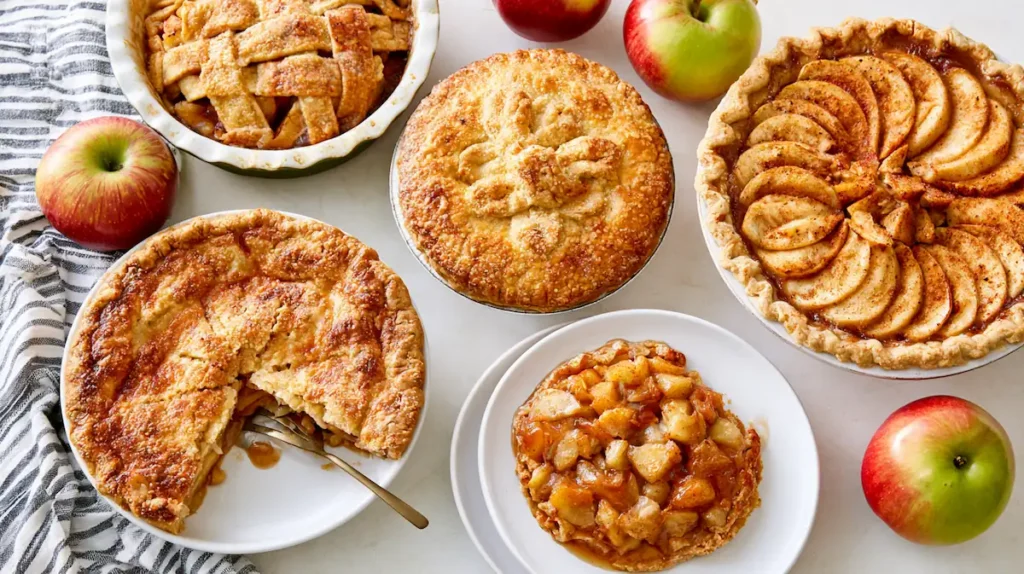
9. Apple Cider Pie
Classic apple pie gets a delicious upgrade with reduced apple cider mixed into the filling. It intensifies the fruit flavor without making the pie overly sweet.
Serve each slice with vanilla ice cream for the perfect contrast.
10. Apple Cider Cookies
Soft, chewy cookies flavored with apple cider reduction and cinnamon are simple enough for everyday baking but festive enough for holiday cookie trays. They’re especially delicious fresh from the oven.
Storage: Keeps well for several days in an airtight container.
11. Apple Cider Crumb Cake
A buttery crumb topping covers a moist cider-infused cake that’s equally welcome at breakfast or dessert. Every bite delivers tender cake with crunchy cinnamon streusel.
Pair with: Hot tea or chai latte.
12. Apple Cider Panna Cotta
For something a little different, silky panna cotta infused with apple cider offers a lighter finish after a hearty fall meal. Top with caramelized apples or cinnamon whipped cream for extra elegance.
It’s simple to prepare ahead, making entertaining stress-free.
For even more oven-fresh inspiration, explore these easy baked dessert recipes for simple homemade favorites.
Understand Reduced Cider Before Adding It to Batter
Check the bottle first. In this baking context, apple cider means the nonalcoholic apple drink, not apple cider vinegar. Vinegar is far more acidic and is not a substitute for the same volume of cider. Hard cider and sparkling cider also behave differently from the still cider intended by a recipe. Choosing the right product prevents a substitution problem before the pan reaches the stove.
A reduction removes water while concentrating the apple flavor. Use the starting amount and final volume specified by your chosen recipe. A direction calling for a measured amount of reduced cider is different from one telling you to begin with that amount of ordinary cider. Confusing the two can change both the flavor and the total liquid in the batter.
Watch the liquid as it reduces, especially near the end when a smaller amount can change quickly. The target is the recipe’s stated concentration, not an arbitrarily dark or sticky syrup. Let the reduction cool as directed before combining it with butter, eggs or a frosting. Measure the portion you actually need after reduction rather than guessing from the height of liquid left in the pan.
Do not pour extra cider into finished batter simply because the apple aroma seems mild. More liquid can change the crumb, spread and baking time. Follow the formula first, then use the intended glaze or topping to reinforce the flavor. The simple banana bread guide makes a related point about measuring moisture-rich ingredients: a reliable texture begins with the specified amount, even when fruit is the main flavor.
Tips for Baking with Apple Cider
- Reduce apple cider before adding it to many recipes to concentrate its flavor.
- Choose fresh, unfiltered cider whenever possible for the richest taste.
- Pair apple cider with warming spices like cinnamon, cloves, ginger, cardamom, and nutmeg.
- Brown sugar enhances cider’s caramel notes beautifully.
- Don’t overbake cakes and cookies, as cider-based batters stay most tender when slightly moist.
Balance Apple Flavor with Spice, Glaze and Crunch
Decide which element should carry the cider flavor. In a donut or cake, the batter may provide the base while a cider glaze adds another layer. In bars, caramel can be the stronger apple accent. You do not need to increase the cider in every component at once. Too much extra liquid in frosting can make it runny, while a heavy glaze can hide the texture of a delicate cake.
Use the spice blend in the recipe as your starting point. Cinnamon gives a familiar fall aroma, while cloves and nutmeg can become prominent quickly. Adding more of every spice does not necessarily make a dessert taste more like apple. When serving several treats, vary the finishing touches so the whole plate does not have the same sweetness and spice intensity.
Consider the surface before glazing. Cinnamon sugar belongs to a different finish from buttercream, and a crisp crumb topping may soften under a heavy coating. Let the chosen recipe guide when to coat warm donuts, when to cool a cake and when to add a final drizzle. Keep a serving sauce alongside the dessert if guests may prefer different amounts.
For an example of contrasting soft fruit, crumb topping and a final drizzle, see the caramel peach cobbler muffins. They are a separate fruit bake, not a direct cider substitution, but the combination shows why a small finishing element can be enough. Choose one clear accent and let the dessert’s own texture remain noticeable.
My Favorite Way to Enjoy Apple Cider Desserts
I love serving an apple cider dessert slightly warm, when the spice aroma is at its best. A quiet cup of tea or coffee alongside it is all I need for a cozy autumn moment.
Plan Cooling, Slicing and Transport Before Baking
Leave space in the schedule after the oven timer ends. Bars may need to cool before they cut cleanly, a cake needs to release from its pan according to the recipe, and frosting needs a surface that will not melt it. Rushing these steps can spoil the presentation even when the baking itself went well. Set out a cooling rack and choose a serving container before you start mixing.
For a dessert table, think about portions and utensils. Cookies and small bars are convenient for guests standing with a drink. Bread pudding is better served with bowls and spoons. A tall frosted cupcake needs more clearance in a container than an unglazed cookie. Let that practical detail influence what you make rather than trying to improvise packaging at the last minute.
Follow the individual recipe’s storage instructions, especially for custards, cream cheese frosting, whipped cream and cheesecake. Different toppings can change how the same base dessert must be stored. Do not treat a cake with a perishable topping exactly like a plain cookie. Where the recipe allows, pack a delicate topping separately and add it at the destination.
If you are building a larger menu, the LunEat dessert collection offers additional choices. Read the full method before adding another bake to your plan. Shared oven temperatures, cooling space and serving needs matter as much as the ingredient list when several desserts are being prepared together.
Frequently Asked Questions
Can I use apple juice instead of apple cider?
Yes, but the flavor will be milder. Reducing apple juice can help concentrate its sweetness, though it won’t have the same depth as cider.
Should apple cider always be reduced first?
Not always, but reducing it often creates a richer apple flavor, especially in cakes, frostings, and glazes.
Can these desserts be frozen?
Most cakes, cookies, blondies, and donuts freeze well for up to three months. Cheesecake also freezes beautifully.
What’s the best apple cider for baking?
Fresh, unfiltered apple cider provides the fullest flavor and works especially well in baked desserts.
Which dessert is easiest for beginners?
Apple cider cookies, blondies, and crumb cake are excellent beginner-friendly recipes with simple techniques.
Final Thoughts
For the clearest apple flavor, reduce the cider before using it in cakes, bars, or frosting, then let it cool. For bread pudding and panna cotta, follow the listed quantity so the extra liquid does not weaken the texture.
If you are choosing only one idea, start with the cookies or blondies for an easy bake. Save the cheesecake or panna cotta for a day when you have time for chilling.