
A watery casserole usually means that one ingredient released more moisture than the recipe could absorb. Frozen vegetables, mushrooms, meat, and an oversized amount of sauce are the causes I check first.
The good news is that the problem is often preventable. Drain wet ingredients, measure the liquid instead of estimating it, and give the finished casserole time to rest before cutting into it.
Quick answer: 8 ways to prevent a watery casserole
- Drain canned and cooked ingredients thoroughly.
- Thaw and dry frozen vegetables before adding them.
- Salt moisture-rich vegetables such as eggplant or zucchini.
- Pre-cook vegetables that release a lot of water.
- Measure broth, milk, and sauce instead of estimating.
- Use the exact rice or pasta called for in the recipe.
- Bake uncovered at the end when the top needs to dry.
- Rest the casserole for 10 to 15 minutes before serving.
Why does my casserole come out watery?
The most common reason is that the ingredients release more liquid while baking than the starch, sauce, or cooking time can absorb. Vegetables contain natural water. Frozen foods carry ice crystals. Cooked meat can release juices. Rice and pasta absorb different amounts depending on their variety and whether they are raw or cooked.
A casserole can also look loose immediately after it leaves the oven even when the recipe is correct. The sauce thickens as it cools, the cheese settles, and the starch continues absorbing moisture during the resting time.
Identify Water, Grease or a Split Sauce Before Fixing the Dish
Look at a spoonful from the edge before deciding that every loose casserole needs thickener. Thin liquid that runs away from the vegetables may be water released during baking. A shiny layer that floats on top may contain rendered fat. A grainy cream sauce with oily droplets suggests that the sauce has separated. These problems can appear together, but adding more starch does not address all of them equally well.
Compare the liquid with the rest of the filling. If the rice is still firm, liquid may remain because cooking is incomplete. If the pasta is tender and the sauce simply flows a little, resting may be enough. A casserole designed to be spooned into bowls will not necessarily set into clean squares, even when it is cooked correctly.
For an oily, grainy dairy sauce, review why cream sauces split before adding cheese or increasing the heat. The useful first step is identifying the texture problem, then choosing the smallest adjustment that addresses it.
How to handle watery vegetables
Eggplant and zucchini
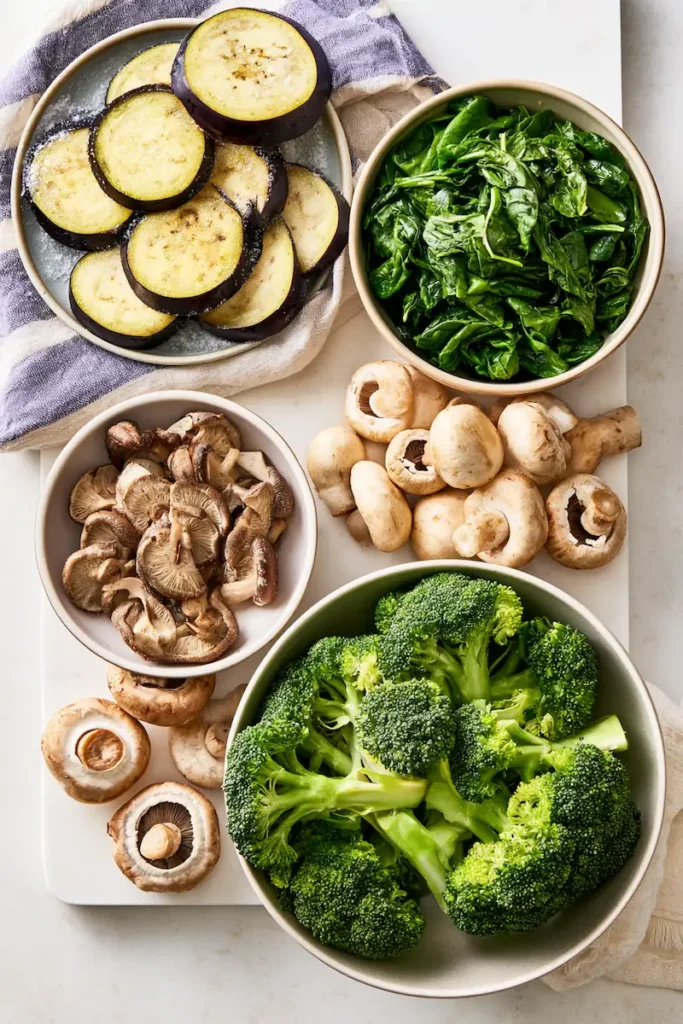
Eggplant and zucchini contain enough moisture to loosen a casserole considerably. Slice them, sprinkle them lightly with salt, and let them sit for 15 to 30 minutes. Blot the surface dry before roasting, breading, or layering.
LunEat’s Easy Eggplant Parmesan Casserole uses two important safeguards: the eggplant is salted and patted dry, then baked before it is layered with marinara and cheese. Pre-baking removes moisture and prevents the final casserole from becoming soggy.
Mushrooms, spinach, and onions
Mushrooms and spinach shrink dramatically and release water as they cook. Sauté them first until most of that liquid evaporates. Thaw frozen spinach completely, squeeze it firmly, and break it apart before mixing it into a filling or sauce.
Onions usually benefit from a short sauté too. Besides removing some moisture, this softens their texture and brings out their sweetness before the casserole goes into the oven.
Frozen broccoli and mixed vegetables
Frozen vegetables are convenient, but ice on their surface quickly becomes water. Thaw them in a colander, drain well, and pat them dry. If the recipe has a long baking time, you can sometimes add small frozen vegetables directly, but reduce another liquid only when the original recipe gives that option.
Measure sauce and liquid carefully
Extra broth, milk, salsa, canned tomatoes, or marinara can change the texture more than expected. Use measuring cups and drain canned ingredients when the recipe says to drain them. If you are combining two substitutions—such as frozen vegetables and a thinner sauce—both changes can add moisture at the same time.
For layered dishes like Taco Lasagna Casserole, drain beans, corn, and tomatoes well. Choose a thick salsa instead of a very watery restaurant-style salsa. This helps the tortilla layers stay tender without becoming soggy.
Keep a Simple Moisture Checklist When Making Substitutions
Write down each change before assembly: fresh or frozen vegetables, drained or undrained tomatoes, raw or cooked starch, and thick or thin sauce. One substitution may work well, while several at once can move the recipe far away from its intended liquid balance. Keep the first attempt close to the original so you can identify which change affected the result.
For example, cooked rice cannot replace uncooked rice cup for cup in a recipe that relies on the dry grains absorbing broth. The ground beef and rice skillet illustrates why the rice type and measured liquid belong to the same cooking method. Its stovetop quantities should not be copied into an unrelated baked casserole.
Similarly, roasting vegetables first changes both their moisture and their texture. If you want broccoli with browned edges as a separate side, follow the frozen broccoli roasting method. If broccoli belongs inside the casserole, follow that casserole’s preparation directions and account for any extra cooking it will receive in the oven.
Use the correct rice
Rice casseroles depend on a precise relationship between rice, liquid, temperature, and baking time. Instant rice, converted rice, brown rice, and ordinary long-grain white rice do not absorb liquid at the same rate. Replacing one with another without changing the recipe can leave the rice hard, the casserole watery, or both.
In LunEat’s Chicken Rice Casserole, uncooked long-grain white rice bakes directly in the measured broth, milk, and creamy soup mixture. The dish needs to remain tightly covered for most of the baking time so the rice cooks evenly and absorbs the liquid.
Do not overcook pasta before baking
Pasta should usually be cooked just until al dente before it goes into a casserole. Very soft pasta cannot absorb much more sauce and may turn mushy. Drain it thoroughly and do not rinse unless the recipe specifically tells you to.
Filled pasta can be especially delicate. In Cheesy Baked Tortellini with Spinach, a thick creamy sauce coats the tortellini without flooding the dish. If your sauce seems thin before baking, simmer it briefly rather than adding more cheese at the last minute.
Brown and drain ground meat
Ground beef, sausage, and turkey can release both fat and water. Brown the meat until no pink remains, then drain excess fat before building the casserole. If the pan still contains visible liquid, continue cooking for another minute or two so it can evaporate.
This is particularly useful for taco-style casseroles, breakfast casseroles, and rich dishes such as Creamy John Wayne Casserole, where several creamy or vegetable layers already contribute moisture.

Check the Baking Dish Before Changing the Liquid
Two dishes can hold the same volume while spreading a casserole very differently. A wider, shallower dish exposes more surface area. A smaller, deeper dish creates a thicker layer that may heat through more slowly and retain more moisture in the center. That difference matters when you transfer a recipe into whichever pan happens to be clean.
Use the dimensions and material specified by the recipe when possible. If you need to scale the meal, keep the depth of the filling close to the original rather than piling a double batch into one deep dish. Do not assume that doubling ingredients means doubling the baking time. Check the actual doneness cues in the recipe, especially when a starch cooks in the liquid.
A browned topping is only one cue. Cheese can color while the filling underneath remains loose or the rice remains firm. Before uncovering the dish for longer evaporation, establish whether the center has finished cooking. This avoids drying the edges while leaving the underlying problem unresolved.
Should you bake a casserole covered or uncovered?
Covering traps steam, while baking uncovered allows moisture to evaporate. Rice casseroles generally need to be covered first so the rice can cook. Cheesy pasta and vegetable casseroles are often uncovered for at least part of the baking time so the top can brown.
If a fully cooked casserole still looks loose, remove the cover and bake it for another 5 to 10 minutes while watching the edges. Do not use this method when the rice or meat is still undercooked; solve the cooking problem first.
Why resting time matters
Let the casserole rest for 10 to 15 minutes after baking. During this time, bubbling slows, melted cheese firms slightly, and the starches continue to absorb sauce. Cutting into the dish immediately can make a properly cooked casserole appear much wetter than it really is.
How to fix a casserole that is already watery
- Let it rest: start with 10 to 15 minutes before changing anything.
- Bake it uncovered: return a fully cooked casserole to the oven for 5 to 10 minutes.
- Remove excess liquid carefully: spoon off liquid gathered around the edges when practical.
- Serve with an absorbent side: rice, bread, or mashed potatoes can make a slightly loose casserole more enjoyable.
- Thicken the sauce separately: for a very loose creamy casserole, transfer some sauce to a saucepan and simmer it before returning it to the dish.
Avoid stirring dry flour or cornstarch directly into a finished casserole. It can form lumps and leave a raw taste. If you use a starch slurry, mix it completely with cold liquid first and heat it until the sauce thickens.
My Simple Rule for a Creamy, Never-Watery Casserole
I always give cooked vegetables a moment to release their steam before they go into the baking dish. I also let the finished casserole rest briefly, which helps every serving hold together more neatly.
Record the Result So the Next Casserole Is Easier
After the dish rests, note what happened when you served it. Did liquid collect only in the first empty corner, or did every portion collapse into a puddle? Was the sauce smooth? Were the vegetables tender and the starch fully cooked? These observations are more useful than simply writing that the casserole was watery.
Save three practical details with the recipe: the dish dimensions, any ingredient substitutions, and the actual covered and uncovered cooking times. On the next attempt, change one relevant factor. Thoroughly draining the spinach or returning to the specified rice may solve the issue without adding extra flour, cheese or baking time.
For a meal that needs to be served immediately, choose a dish designed for a looser, spoonable finish rather than trying to force firm slices. Good texture means matching the intended recipe, not making every casserole set in exactly the same way.
Frequently asked questions
Will a watery casserole thicken as it cools?
Often, yes. Pasta, rice, breadcrumbs, and creamy sauces continue to settle and absorb moisture for several minutes after baking. Give the dish at least 10 minutes before deciding it needs more oven time.
Can I add flour to thicken a casserole?
Flour works best when it is cooked into the sauce before the casserole is assembled. For a finished sauce, a smooth cornstarch slurry is usually easier to incorporate without lumps.
Why is my frozen vegetable casserole watery?
Frozen vegetables release ice and water as they heat. Thaw, drain, and dry them first, or follow a recipe specifically designed for vegetables cooked from frozen.
Does covering a casserole make it watery?
It can if the dish stays covered longer than necessary because the cover traps steam. However, rice casseroles need that trapped steam to cook properly. Follow the covered and uncovered times given in the recipe.
How much liquid should be in a casserole before baking?
There is no single amount because rice, pasta, potatoes, and vegetables absorb liquid differently. Use the recipe’s measurements and ingredient type rather than judging only by appearance.
The simple formula for a casserole that holds together
My simple check is: control moisture before baking, match the liquid to the correct rice or pasta, and rest the dish after it leaves the oven. Those three steps solve most loose or watery casseroles.
If a casserole is already cooked and there is liquid around the edges, do not immediately add flour. Let it rest uncovered first; starch, cheese, and the cooling sauce often thicken naturally.