

This lemon yogurt cake is light, moist, and simple enough to mix without a mixer. I use both lemon zest and juice: the zest gives most of the aroma, while the juice adds a fresh finish without making the batter too wet.
Greek yogurt keeps the crumb tender, but it should be plain and fairly thick. Let cold ingredients sit briefly at room temperature so the batter combines smoothly.
Recipe Information
| Detail | Time |
|---|---|
| Prep Time | 15 minutes |
| Cook Time | 40 minutes |
| Active Time | 15 minutes |
| Total Time | 55 minutes |
| Servings | 10 slices |
Why This Healthy Lemon Yogurt Cake Recipe Works
- The Greek yogurt keeps every slice incredibly moist while adding extra protein.
- Bright lemon zest and juice create a fresh, sunny flavor without being overpowering.
- It’s made with everyday ingredients and comes together in one bowl, making cleanup wonderfully easy.
Ingredients
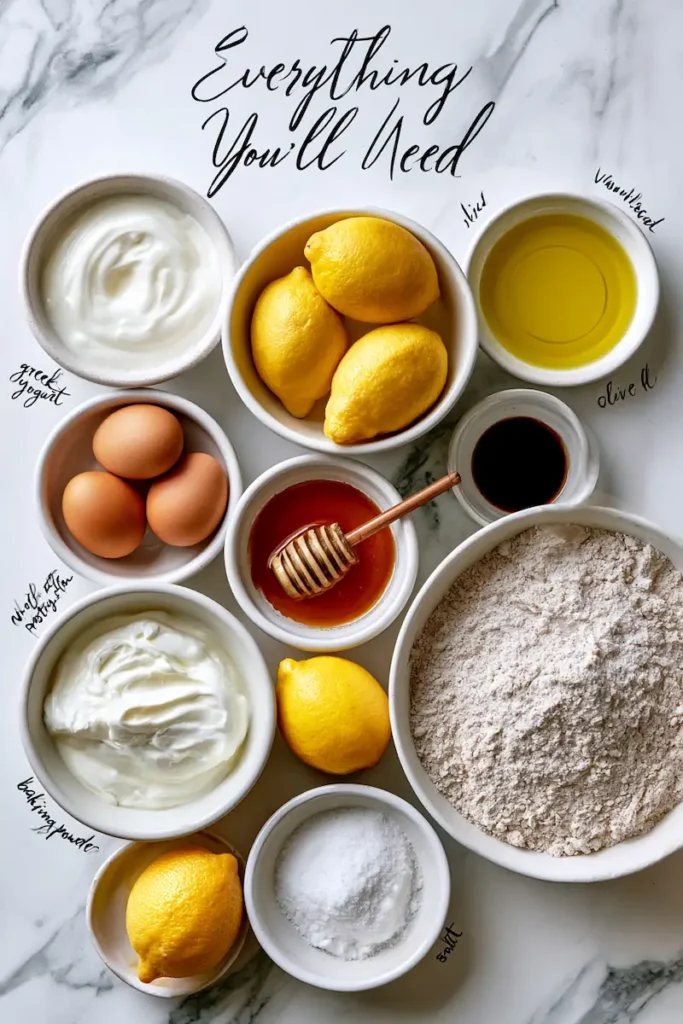
- 1 cup plain Greek yogurt
- 2 large eggs
- ⅓ cup honey or maple syrup
- ¼ cup light olive oil or avocado oil
- 2 tablespoons fresh lemon juice
- 2 tablespoons finely grated lemon zest
- 1 teaspoon vanilla extract
- 1½ cups whole wheat pastry flour
- 1 teaspoon baking powder
- ½ teaspoon baking soda
- ¼ teaspoon salt
Optional Toppings
- Fresh blueberries
- Fresh raspberries
- Thin lemon slices
- Powdered sugar for a light dusting
- Plain Greek yogurt for serving
- Fresh mint leaves
Get More Lemon Flavor from Zest Without Extra Liquid
The recipe uses both zest and juice, and they play different roles. Zest carries fragrant oils from the outer peel, while juice adds acidity and a fresher finish. Wash and dry the lemons, then grate only the colorful outer layer before cutting them. The white pith underneath can taste bitter, so rotate the fruit as you zest rather than scraping deeply in one spot.
Measure the zest and juice separately before starting the batter. Juicing first makes the fruit harder to hold for fine grating. A small fine grater helps distribute the zest evenly, so one slice does not carry all the lemon aroma. If the zest clumps, loosen it with a little of the honey or maple syrup from the measured recipe amount. Do not add extra juice simply to intensify the flavor, because it changes the wet-to-dry balance.
The cake can be served plain, which is useful when you want the lemon to remain the main flavor. Fresh berries add a tart or sweet accent at serving time. If you are choosing between a whole cake and a single portion, the lemon mug cake provides another format with its own ingredient amounts and cooking method.
When preparing a citrus dessert table, lemon blueberry cookies can bring a firmer, handheld texture beside slices of cake. Plan each bake by its own instructions and cool them before arranging them together, so the cookies do not pick up moisture from a warm cake.
Step-by-Step Instructions
1. Prepare the Oven
Preheat your oven to 350°F (175°C). Grease and lightly flour an 8-inch round cake pan or line it with parchment paper.
2. Mix the Wet Ingredients
In a large bowl, whisk together the Greek yogurt, eggs, honey, olive oil, vanilla extract, lemon juice, and lemon zest until smooth and creamy.
3. Add the Dry Ingredients
Add the flour, baking powder, baking soda, and salt. Gently fold everything together until no dry streaks remain. Avoid overmixing to keep the cake tender.
4. Fill the Pan
Pour the batter into the prepared cake pan and smooth the top with a spatula.
5. Bake
Bake for 38–42 minutes, or until a toothpick inserted into the center comes out clean.
6. Cool
Allow the cake to cool in the pan for about 10 minutes before transferring it to a wire rack.
7. Serve
Enjoy plain, topped with fresh berries, or with a spoonful of Greek yogurt for an extra creamy finish.

Choose Yogurt, Sweetener and Flour for the Intended Crumb
Use plain, fairly thick Greek yogurt as specified. A sweetened flavored yogurt changes both sugar and flavor, while a very loose yogurt introduces more liquid. Stir the container before measuring if there is visible separation, then fill the cup without packing it down. Bringing the measured yogurt and eggs closer to room temperature helps them combine smoothly with the honey and oil.
The ingredient list allows honey or maple syrup. Choose one for the full measured amount rather than adding both. They bring different flavors, so the choice affects the finished cake even when the volume stays the same. A light olive oil or avocado oil is listed because a strongly flavored oil could compete with the lemon. Check that the oil you use suits a mildly flavored dessert.
Whole wheat pastry flour is the flour named in this recipe. It is milled for a softer bake than some coarser whole wheat flours, so another bag labeled only whole wheat may give a different crumb. Measure gently, level the cup, and fold the flour into the wet mixture only until no dry patches remain. Avoid adding more flour simply because the batter looks thicker than a plain sponge cake batter.
If you are interested in another tender bake with a different fruit, the simple banana bread recipe uses its own fruit and mixing balance. It makes a helpful comparison when choosing a breakfast-style slice, but substitutions should follow the recipe you plan to bake.
Nutrition Information
| Nutrient | Per Slice |
|---|---|
| Calories | 185 |
| Protein | 7 g |
| Carbohydrates | 24 g |
| Fat | 7 g |
| Fiber | 2 g |
| Sugar | 10 g |
| Sodium | 170 mg |
These values are estimates and may vary depending on the specific ingredients you use. This cake offers a balanced treat with moderate sweetness and satisfying protein from the Greek yogurt.
Ingredient and Nutrition Notes for Healthy Lemon Yogurt Cake
This cake uses Greek yogurt instead of large amounts of butter, helping create a moist texture while adding protein and calcium. Whole wheat pastry flour contributes extra fiber compared to all-purpose flour, while fresh lemons provide natural citrus flavor without relying on artificial ingredients.
Although it’s still a dessert, it’s a lighter option that fits well into a balanced lifestyle when enjoyed in reasonable portions.
Check the Cake Center and Protect Its Tender Edges
Prepare the eight-inch round pan before mixing. Grease it as described and use parchment if you want a convenient way to release the cake. Spread the batter evenly, reaching the edge without leaving a deep mound in the center. A pan much larger or smaller than the one specified changes cake depth and therefore the time required to bake through.
Begin checking near the suggested baking range. Insert a toothpick into the center without running it along the pan bottom. The recipe calls for a clean tester, so a streak of wet batter means more time is needed. If the surface colors quickly while the center lags behind, keep observing both rather than assuming the outer color proves the cake is finished. Oven behavior and the exact thickness of yogurt can affect the result.
Rest the cake briefly in the pan, then loosen any exposed edge gently before transferring it to a wire rack. Supporting the cake as it moves helps prevent a crack through the center. Let it cool before slicing, dusting with sugar or adding yogurt. A warm surface can dissolve a sugar dusting, and an unset crumb can tear under the knife.
For another cake with a very different moisture source, the gluten-free zucchini chocolate cake uses grated vegetable and cocoa. Its pan, flour and baking checks are specific to that recipe. Use the one that matches the flavor and dietary needs of your guests rather than exchanging their ingredient lists.
Mistakes to Avoid with Healthy Lemon Yogurt Cake
- Overmixing the batter, which can make the cake dense.
- Using bottled lemon juice instead of fresh, resulting in a less vibrant flavor.
- Forgetting to zest the lemons before juicing them.
- Opening the oven too early, which may cause the cake to sink.
- Removing the cake from the pan while it’s still very hot.
Practical Tips for Healthy Lemon Yogurt Cake
- Bring the eggs and yogurt to room temperature before mixing for a smoother batter.
- Use organic lemons if possible since you’ll be using the zest.
- Let the cake rest for at least 20 minutes before slicing to help the crumb set.
- Store leftovers in an airtight container for up to 4 days.
- This cake freezes beautifully for up to 2 months. Wrap individual slices tightly before freezing.
Who Should Enjoy This Recipe?
This recipe is perfect for anyone looking for a lighter homemade cake without sacrificing flavor. It’s wonderful for weekend brunches, afternoon tea, lunchbox treats, or as a simple dessert after dinner.
Best Time to Bake It
Healthy lemon yogurt cake shines in spring and summer when lemons are especially fragrant, but its bright flavor brings a little sunshine to any season. It’s equally at home on a breakfast table, at a picnic, or served with a warm cup of tea on a quiet evening.
Why I Keep This Lemon Cake Simple
I love this cake most when the lemon and yogurt are allowed to do the work. A light dusting of sugar or a little lemon zest is usually enough to finish it without hiding its fresh flavor.
Serve a Light Lemon Cake at Brunch or Afternoon Tea
Plan the serving style before adding any optional toppings. For afternoon tea, plain slices with a little fresh zest make the citrus aroma clear. At brunch, set berries and plain yogurt alongside the cake so people can add what they like. Powdered sugar offers a quick finish, but dust it shortly before serving to keep the top looking fresh.
The recipe yields ten slices. Mark the portions on the cooled cake with the tip of the knife before cutting all the way through, especially when sharing a round cake. Wipe the blade when crumbs build up, then lift each portion with a cake server. If transporting the cake, leave delicate toppings until you arrive and use a container that does not press on the surface.
Consider the rest of the menu. A fresh fruit bowl and coffee or tea can accompany the cake without requiring another sweet bake. If you want a contrasting dessert for a larger gathering, old-fashioned berry crisp is served warm with a spoon, so it fills a different role from neat cake slices. Bake and cool the cake first, then use the oven for the crisp closer to serving time.
If the cake is for a picnic, keep the fruit topping chilled separately until serving and bring a small spoon for the yogurt. A plain, fully cooled cake is easier to carry and portion outdoors.
Keep leftovers according to the storage guidance below. Toppings that contain fresh fruit or extra yogurt may need to be stored separately from the plain cake. That makes individual slices easier to refresh later and prevents moisture from softening the surface during storage.
Frequently Asked Questions
1. Can I use regular yogurt instead of Greek yogurt?
Yes. Regular plain yogurt works well, though the batter may be slightly thinner and the cake a bit softer.
2. Can I make this gluten-free?
Yes. Substitute a good-quality 1:1 gluten-free baking flour for the whole wheat pastry flour.
3. Can I use maple syrup instead of honey?
Absolutely. Maple syrup provides a lovely flavor and works as a direct substitute.
4. How should I store the cake?
Keep it in an airtight container at room temperature for up to 2 days or refrigerate it for up to 4 days.
5. Can I freeze this cake?
Yes. Cool it completely, wrap it well, and freeze for up to 2 months. Thaw overnight in the refrigerator before serving.
Final Thoughts on Healthy Lemon Yogurt Cake
Rub the lemon zest into the sugar before mixing. This releases the fragrant oils and gives the cake a clearer lemon flavor without adding more liquid.
Let the cake cool before slicing or glazing it. The crumb finishes setting as it rests, and any glaze will stay on top instead of disappearing into a hot loaf.
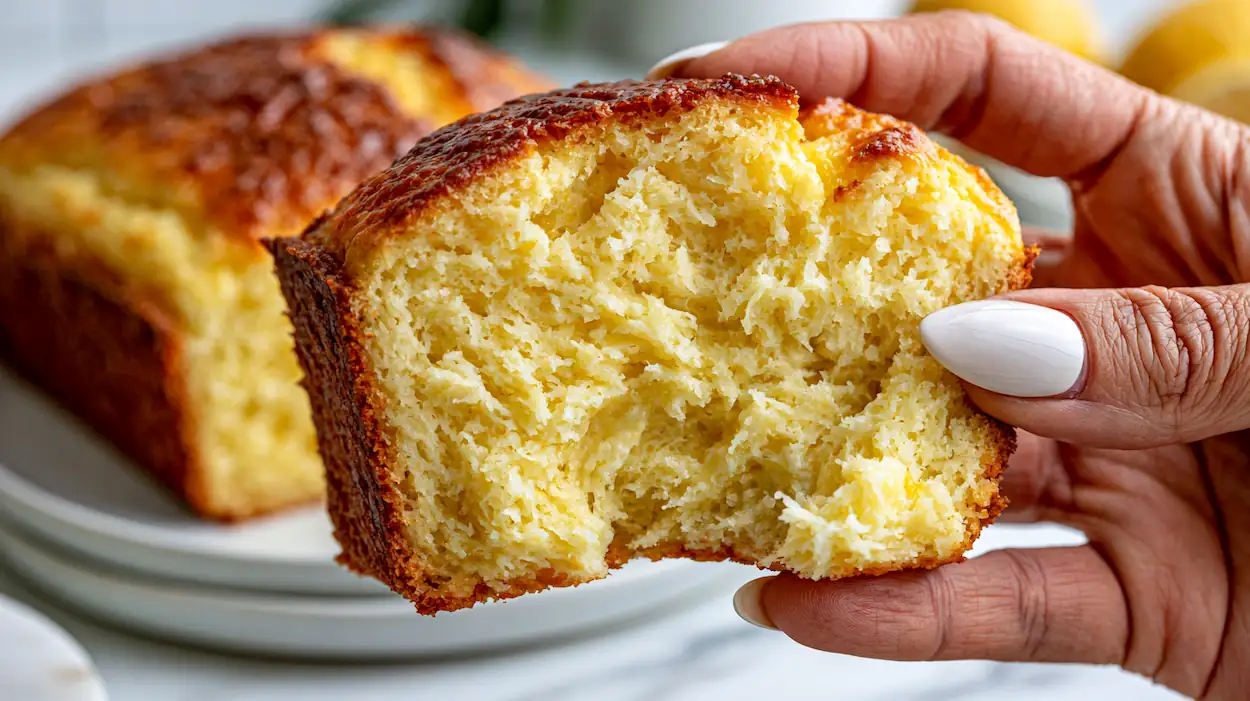
Healthy Lemon Yogurt Cake
Ingredients
Equipment
Method
- Preheat the oven to 350 F (175 C). Grease and lightly flour an 8-inch round cake pan or line it with parchment paper.
- Whisk together the Greek yogurt, eggs, honey, oil, vanilla extract, lemon juice, and lemon zest until smooth and creamy.
- Add the flour, baking powder, baking soda, and salt. Fold gently until just combined. Do not overmix.
- Pour the batter into the prepared pan and smooth the top with a spatula.
- Bake for 38 to 42 minutes, or until a toothpick inserted into the center comes out clean.
- Cool the cake in the pan for 10 minutes, then transfer it to a wire rack to cool completely.
- Serve plain or topped with fresh berries, a dollop of Greek yogurt, powdered sugar, or fresh mint.