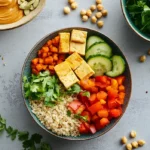
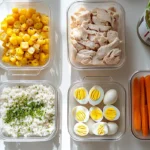
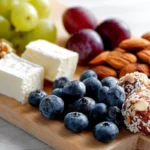
Meals that include protein, vegetables, and fiber-rich foods may feel more satisfying, but protein alone does not determine weight change. Overall food intake, activity, sleep, health, and individual needs also matter.
This article provides general food information, not individualized medical or weight-loss advice. Needs vary, and anyone managing a medical condition or prescribed diet should consult a qualified health professional. See these plant-based protein ideas for more varied food sources.
Free weekly recipes
Never wonder "what's for dinner" again
Table of Contents
Why Protein Can Make Weight Loss Feel Easier
One of the hardest parts of weight loss is not always knowing what to eat — it is dealing with hunger, cravings, and meals that do not feel satisfying enough. That is where protein can be especially helpful.
1. Protein Helps You Stay Full Longer
Protein-rich meals often feel more satisfying, which can make it easier to go longer between meals without constantly thinking about food. For many people, that alone makes a high-protein approach feel more realistic and easier to stick with.
When meals include enough protein, they often feel more complete. It becomes easier to pair them with vegetables, fiber-rich foods, and healthy fats instead of reaching for random snacks that never feel truly filling.
3. Protein Supports Muscle While You Lose Weight
Protein contributes to the maintenance of muscle as part of a balanced diet. Regular physical activity, adequate energy intake and the overall quality of your eating pattern also matter.
4. Protein May Help Reduce Mindless Snacking
A meal with enough protein can help reduce the constant cycle of hunger and grazing. That does not mean protein is magic, but it can make everyday eating feel steadier, calmer, and easier to manage.
How Much Protein Do You Need?
Protein needs vary according to age, body size, activity level, health conditions and personal goals. Instead of following a universal target from an online article, focus on including a practical protein source in balanced meals throughout the day. A registered dietitian or healthcare professional can help determine an appropriate amount for your individual needs.
Eating high protein doesn’t have to be expensive—here’s how to build a high-protein diet on a budget with simple foods and smart planning.
Adding smart snacks can also make a big difference—here are some high-protein snack ideas with 10 to 30 grams of protein to help you reach your daily goals more easily.
Practical High-Protein Foods
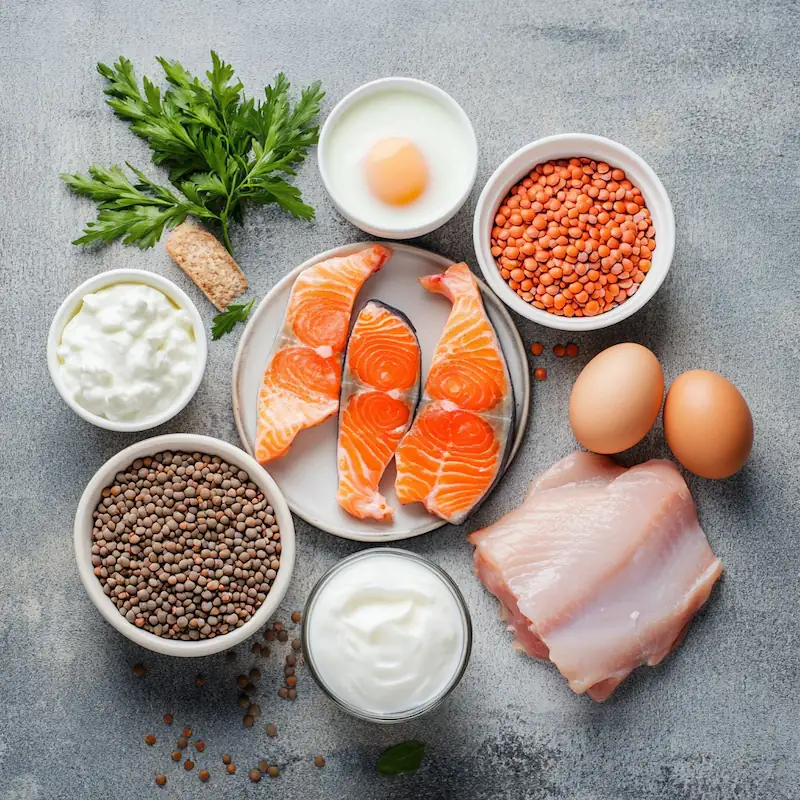
Practical high-protein foods are easy to use, satisfying and simple to turn into balanced meals. A useful protein choice should fit naturally into your routine and pair well with vegetables, fruit, whole grains or other fiber-rich foods.
1. Greek Yogurt or Skyr
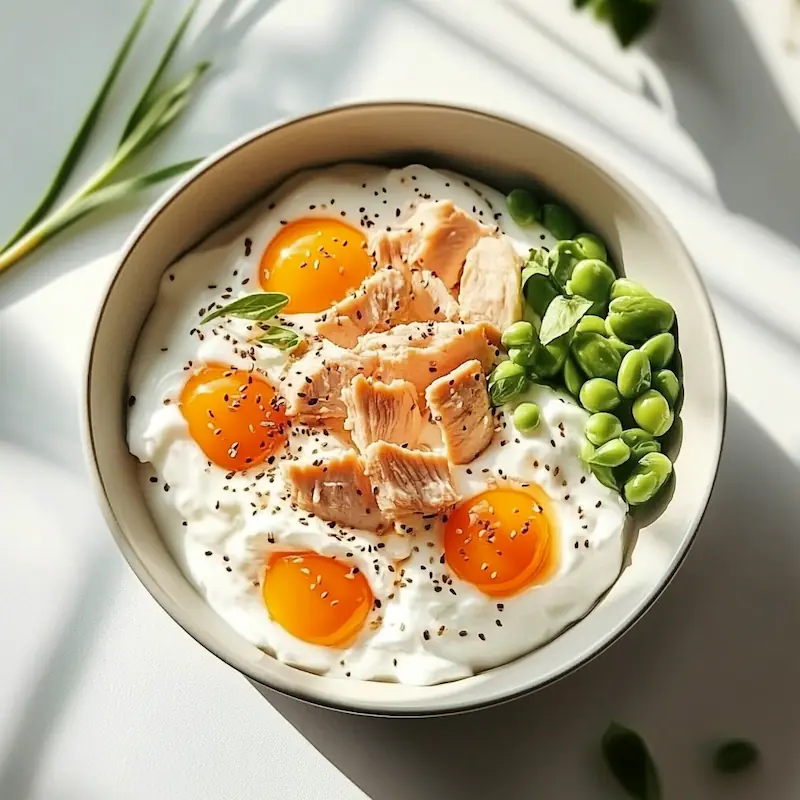
Greek yogurt and skyr are simple, high-protein options that work especially well for breakfast or easy snacks. They feel light, filling, and easy to pair with fruit, oats, or nuts.
2. Eggs
Eggs are one of the most practical high-protein foods because they are affordable, versatile, and easy to use in quick meals. They can help meals feel more complete without making cooking complicated.
3. Chicken Breast or Turkey
Chicken breast and turkey are easy lean proteins that work well in bowls, wraps, salads, and simple dinners. They are especially useful when you want meals that feel filling but still easy to balance with vegetables and grains.
4. Lentils and Beans
Lentils and beans bring both protein and fiber, which makes them especially helpful for balanced meals that actually keep you full. They are also budget-friendly and easy to use in soups, bowls, and simple lunch ideas.
For those following a plant-based diet, you can still reach your goals—learn how to get enough protein without meat in this complete guide.
5. White Fish
White fish is a lighter protein option that can work very well for simple dinners. It is easy to digest, quick to cook, and pairs well with vegetables, rice, or lentils when you want something gentle but satisfying.
To make this easier to compare at a glance, here is a simple table showing protein content, calories, and the main benefit of each option.
Protein Food Comparison
Food (100g)
Protein (g)
Calories (kcal)
Key Benefit
Chicken breast
31g
165
Highest protein density
Tuna (in water)
25g
116
Convenient and low-fat
Firm tofu
15g
145
Best complete plant-based option
Skyr
10g
57
Ultra filling and fat-free
Whole eggs (2)
13g
155
Rich in vitamins and choline
Cooked lentils
9g
116
High in fiber and iron
This table makes it easier to compare high-protein foods and choose the ones that fit naturally into simple, satisfying meals.
A Simple Day of Balanced High-Protein Meals
Here is a simple and realistic example of how a balanced high-protein day can look. The goal is not to be perfect, but to make meals feel satisfying, practical, and easy to repeat.
Breakfast
Greek yogurt or skyr
fresh berries
10g almonds
If you’re looking to start your day right, check out these high-protein breakfast ideas to stay full and energized all morning.
Lunch
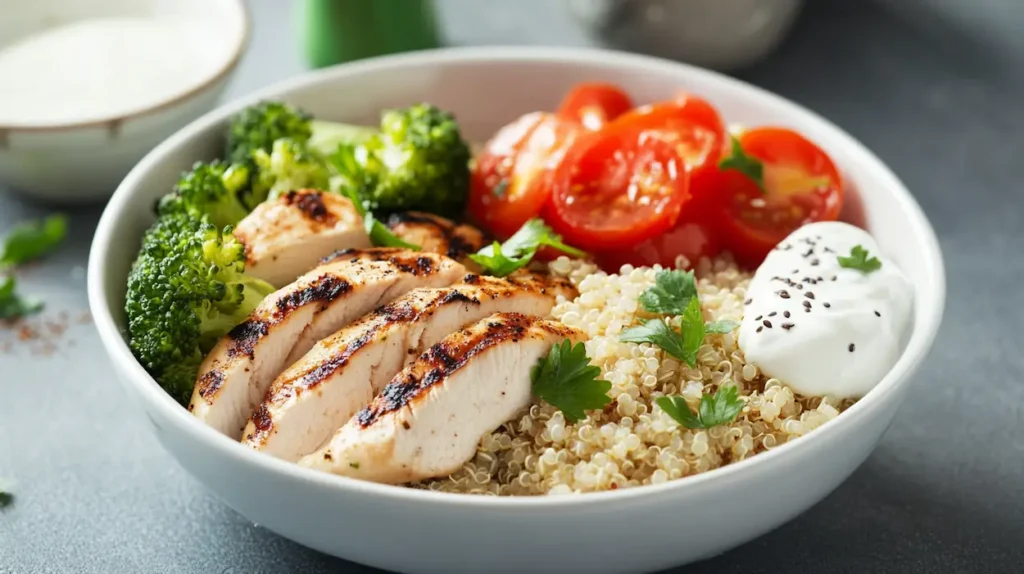
grilled chicken breast
quinoa
steamed broccoli
Snack
1 boiled egg or a small handful of nuts
Dinner
white fish fillet
sautéed zucchini
a small portion of lentils
Daily Total
This kind of plan can help meals feel more balanced, more filling, and easier to follow without overcomplicating everyday eating.
This example shows how different protein foods can be distributed across balanced meals. Portions and nutritional needs should be adjusted individually.
If you’re busy during the day, these high-protein snacks for work can help you stay focused and avoid less satisfying choices.
Common Mistakes to Avoid
A high-protein routine can feel very helpful, but a few common mistakes can make meals feel heavier, less balanced, or harder to maintain over time.
1. Forgetting Fiber
Protein alone is not enough to make meals feel balanced. When vegetables, beans, fruit, or other fiber-rich foods are missing, digestion may feel slower and meals may not feel as satisfying in the long run.
A simple fix is to pair protein with fiber-rich foods whenever you can.
2. Not Drinking Enough Water
Regular hydration is an important part of a balanced daily routine. Individual fluid needs vary according to activity, climate, health and other factors. Drinking enough water can help meals feel easier on digestion and support better overall balance throughout the day.
A simple habit that helps is keeping water nearby and drinking regularly instead of waiting until you already feel thirsty.
3. Relying Too Much on Processed Meats
Sausages, bacon, and deli meats may be easy to grab, but they are not always the most balanced way to build a high-protein routine. Whole-food protein sources usually make meals feel cleaner, simpler, and easier to repeat.
When possible, rely more often on foods like eggs, yogurt, chicken, fish, beans, or lentils.
How to Keep High-Protein Meals Balanced
High-protein meals can be part of a balanced eating pattern for many people, but protein should not replace vegetables, fruit, whole grains, healthy fats or other important foods. Variety and overall meal quality remain essential.
Protein-rich foods may help meals feel more satisfying, but no single nutrient guarantees weight loss. Sustainable weight management depends on the overall eating pattern, portions, physical activity, sleep, health conditions and individual needs.
People with kidney disease, diabetes or another medical condition should consult a qualified healthcare professional before making a significant dietary change.
FAQ: High-Protein Diet for Weight Loss
1. Can eating more protein help with weight loss?
It can. Protein-rich meals often feel more filling, which may help reduce snacking and make balanced eating feel easier to maintain.
2. Is too much protein bad for you?
Protein needs and tolerances vary. Consistently consuming more protein than you need does not automatically provide additional benefits. People with medical conditions or specific dietary requirements should consult a qualified healthcare professional.
3. What are some practical high-protein foods?
Greek yogurt, eggs, chicken, fish, tofu, lentils, beans and skyr are practical options that can be used in balanced breakfasts, lunches, snacks and dinners.
4. Should I eat protein at night?
Yes, protein at dinner can still be helpful. A balanced evening meal with protein, vegetables, and fiber-rich foods may help you feel satisfied without making the meal too heavy.
5. Can vegetarians prepare balanced high-protein meals?
Yes. Foods like lentils, beans, tofu, Greek yogurt, cottage cheese, and eggs can all help build a high-protein routine without relying on meat.
Conclusion
A balanced meal may include a suitable protein source, vegetables or fruit, and a fiber-rich carbohydrate. Portion size and the overall eating pattern remain important; no single meal guarantees weight loss.
Koukie is the recipe creator behind LunEat. She shares practical homemade recipes inspired by family cooking and the simple meals she has loved making since childhood. Read more about Koukie and the story behind LunEat.