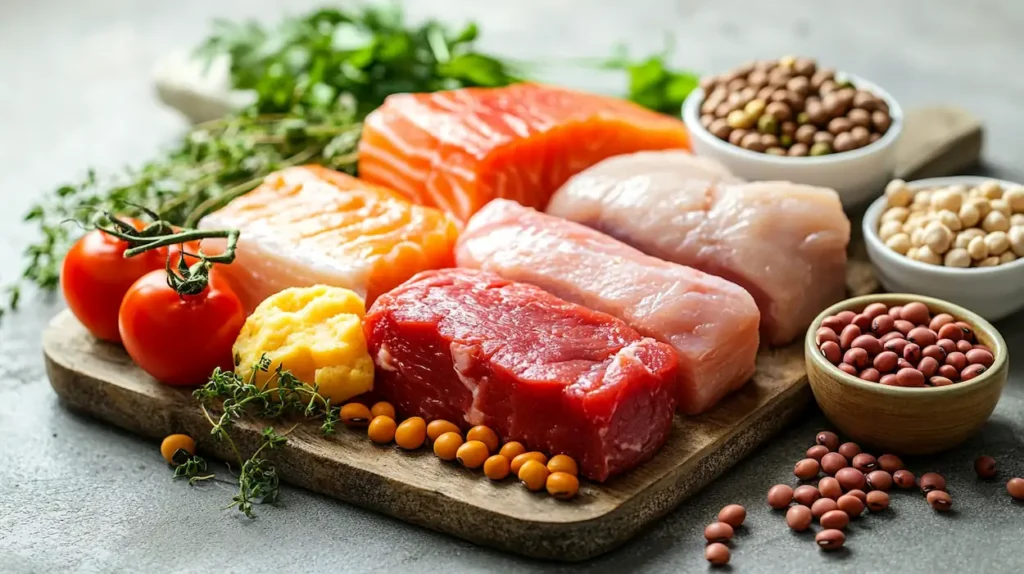
A high-protein diet can be safe for most healthy people when it includes balanced meals, enough fiber, and proper hydration. This guide explains the real high protein diet dangers, what is often exaggerated, and how to make high-protein eating feel simple and practical.
Table of Contents
Is a High-Protein Diet Actually Dangerous?
For most healthy adults, a high-protein diet is not dangerous when meals are balanced and hydration is taken seriously. The biggest problems usually come from relying too much on processed foods, skipping fiber-rich ingredients, or ignoring an existing health condition.
That means protein itself is usually not the issue. What matters more is the overall quality of your meals, how much water you drink, and whether your diet includes vegetables, whole foods, and enough variety.
If you’re unsure how much protein you actually need, this complete high-protein guide can help you understand the basics before building more balanced meals.
Myth #1: High-Protein Diets Harm Your Kidneys
What Science Says
For most healthy people, a high-protein diet does not appear to harm kidney function. Concerns usually apply to people who already have kidney disease or another diagnosed renal condition.
Important Nuance
Protein may need more careful monitoring if:
- you already have kidney disease
- you have diagnosed renal insufficiency
Practical Advice
- stay well hydrated
- drink enough water throughout the day
Protein metabolism creates waste products such as urea, and drinking enough water helps your body process and eliminate them more efficiently.
Myth #2: Your Body Can Only Use 30g of Protein Per Meal
The Reality
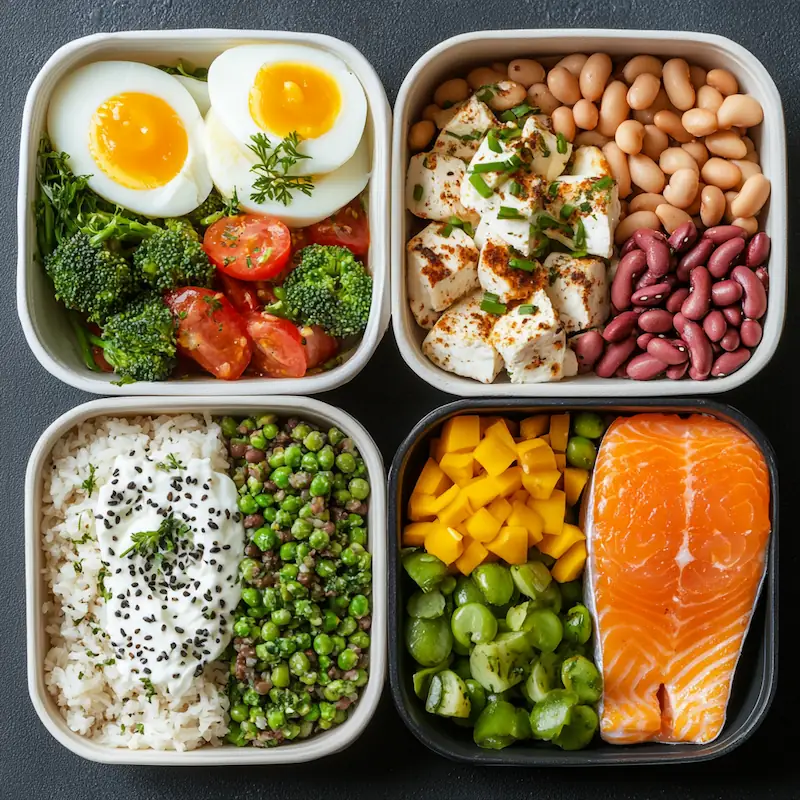
This idea is very common, but it is often oversimplified. Your body digests and absorbs far more than 30 grams of protein in one meal, but that does not mean all of it is used in the same way for muscle building at once.
What This Means
Protein is still useful even when you eat more than 30 grams in one sitting. However, spreading your intake more evenly across the day may be a more practical way to support energy, fullness, and muscle maintenance.
Best Strategy
For most people, the easiest approach is to include protein in 3 to 5 meals or snacks throughout the day instead of trying to get everything at once. This usually feels more balanced, easier to digest, and more realistic for everyday life.
For a practical approach, you can also explore these high-protein breakfast ideas that support energy and satiety without overdoing it.
Myth #3: Protein Harms Your Bones
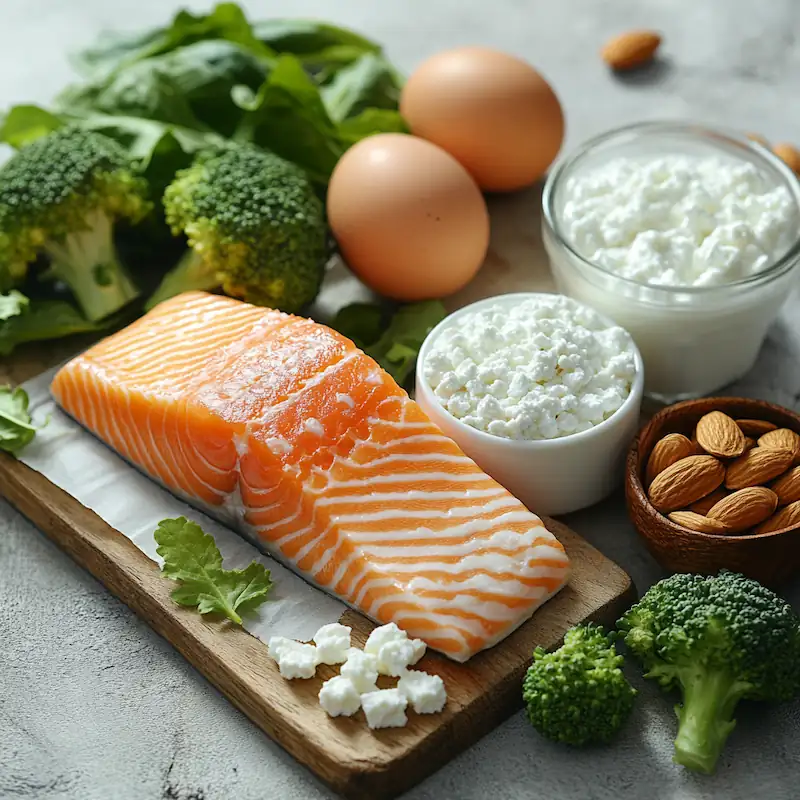
This idea comes from older theories about calcium loss, but newer research gives a more balanced picture.
What Research Shows
Modern research suggests that protein can actually support bone health when the overall diet is balanced. In many cases, higher protein intake may even help support bone density, especially as people get older.
The Key Condition
Protein works best when it is part of a balanced diet that also includes:
- enough calcium
- enough vitamin D
- a variety of whole foods
In other words, protein is not the problem. A lack of overall balance is usually what matters more.
Practical Takeaway
When meals include protein along with nutrient-rich foods, they can support strength, fullness, and overall health in a much more balanced way.
The Real Risks of Eating Too Much Protein
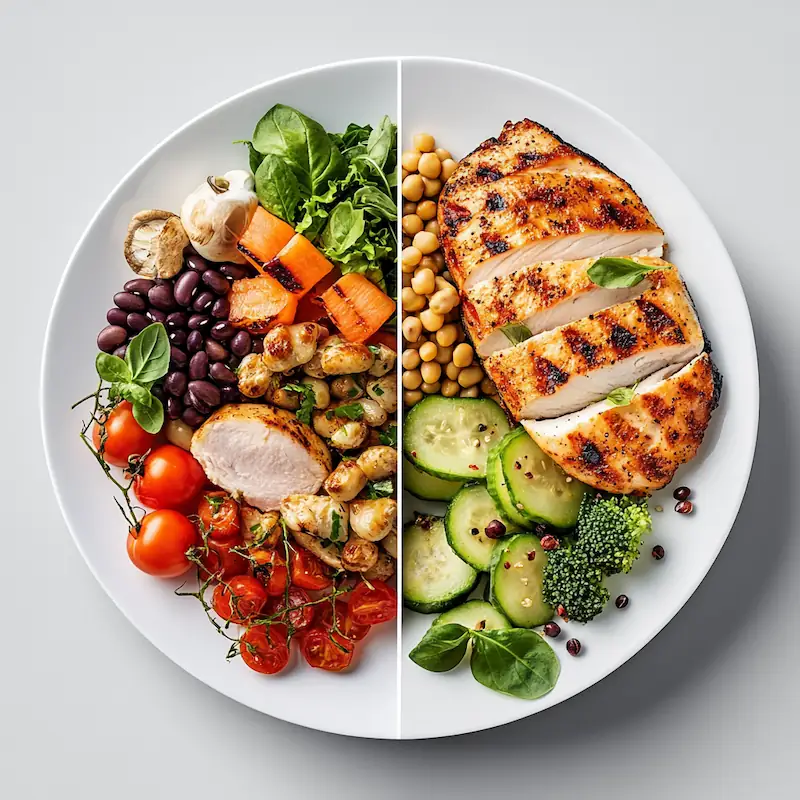
Protein itself is not usually the main problem. In most cases, the real issue comes from imbalance — like eating too many processed foods, skipping fiber, or building meals that focus on protein but forget everything else.
1. Too Little Fiber
A high-protein diet can feel heavy when it does not include enough fiber-rich foods. This is often what leads to bloating, constipation, or meals that feel less balanced over time.
To make high-protein eating feel better, include more:
- vegetables
- beans or lentils
- whole grains when they fit your meals
- fruit or simple fiber-rich sides
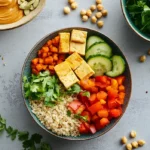
A simple rule that helps: do not build the plate around protein alone. Give vegetables and fiber-rich foods a real place too.
2. Too Many Processed Protein Foods
Not all high-protein choices support the body in the same way. When most of your protein comes from processed meats, packaged snacks, or very salty convenience foods, the diet can feel much less balanced.
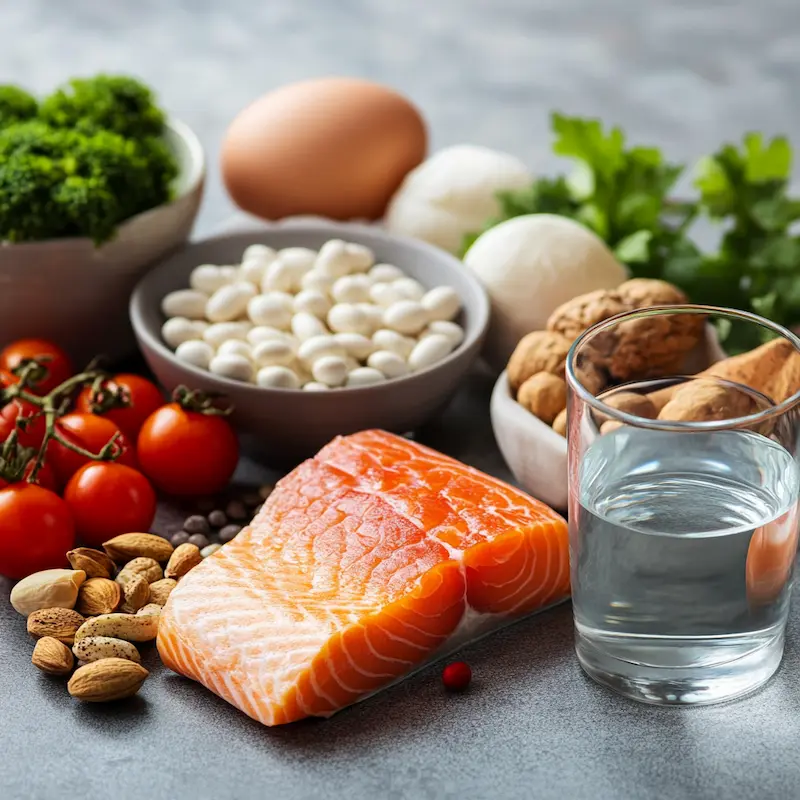
It usually works better to rely more often on foods like:
- eggs
- Greek yogurt
- cottage cheese
- chicken
- fish
- beans
- lentils
Whole foods tend to bring more balance, better texture, and a more satisfying everyday routine.
3. Not Enough Water
Protein metabolism creates waste products that the body needs to process well, which is why hydration matters. When water intake stays too low, a high-protein routine may feel harder on digestion and overall comfort.
A simple habit that helps is to drink water regularly throughout the day instead of waiting until you already feel thirsty.
4. Ignoring an Existing Health Condition
For most healthy people, high-protein eating can be safe. But if someone already has kidney disease or another condition that affects how the body processes nutrients, it makes sense to be more careful and speak with a qualified health professional.
Signs You May Be Eating Too Much Protein
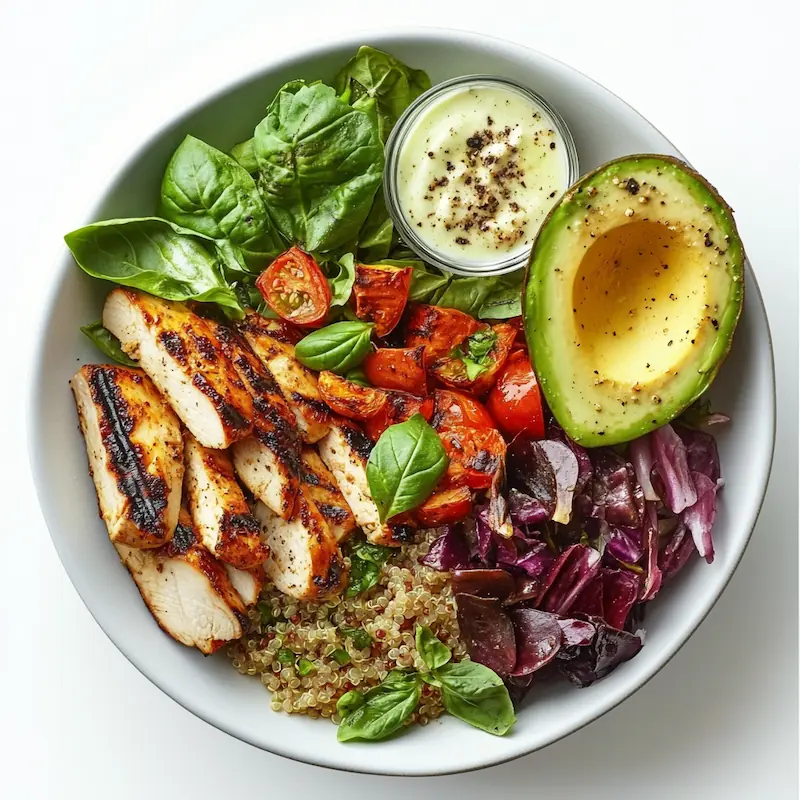
Your body often gives small signals when a high-protein diet feels out of balance. These signs do not always mean something serious, but they can suggest that your meals need more fiber, more variety, or better hydration.
Common Signs
- persistent bad breath, especially if meals are very low in carbs
- increased thirst throughout the day
- digestive discomfort after meals
- bloating or constipation
- feeling heavy or less balanced after eating
What to Do
If these signs show up regularly, the best response is usually not to fear protein but to rebalance the plate. Adding more vegetables, fiber-rich foods, and enough water often makes high-protein eating feel much easier and more comfortable.
These signs do not always mean danger, but they are a good reminder to look at the overall quality of your meals.
Recommended Protein Intake by Profile
Protein needs can look a little different depending on your age, activity level, and overall goal. This simple guide gives a helpful starting point, but the best intake is still the one that fits your body, routine, and meals in a realistic way.
| Profile | Recommended Intake (g/kg) | Main Goal |
|---|---|---|
| Sedentary | 0.8 g | Tissue maintenance |
| Weight loss | 1.2 – 1.5 g | Satiety and muscle retention |
| Strength athlete | 1.6 – 2.2 g | Muscle building |
| Older adults | 1.2 g | Prevent muscle loss |
This table is meant to give you a practical starting point, not a strict rule. What matters most is choosing an intake that feels balanced, sustainable, and easy to support with real everyday meals.
Is a High-Protein Diet Healthy?
Protein and Overall Health
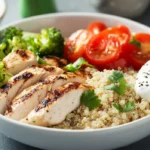
Yes, a high-protein diet can be healthy for many people when it is built around balanced meals and realistic food choices. Protein can support fullness, muscle maintenance, and everyday energy, but it works best when it is part of a plate that also includes fiber, healthy fats, and variety.
What a Balanced High-Protein Diet Looks Like
A healthy high-protein routine usually includes:
- protein
- fiber-rich foods
- healthy fats
- simple whole-food ingredients
Balance matters more than chasing protein alone. Meals tend to feel much better when they include both nourishment and variety.
Even on a budget, you can maintain a healthy high-protein diet—here’s how to eat 100g of protein per day without overspending.
Choosing the right snacks also makes a difference—these high-protein snacks for weight loss can help you stay full and balanced without relying on overly processed options.
Is It Good for Weight Management?
It can be. High-protein meals often help people feel fuller for longer, which may support more balanced eating habits throughout the day. For many people, that makes high-protein eating feel easier to maintain than more restrictive approaches.
FAQ: High-Protein Diet Safety
1. Is a high-protein diet dangerous for most people?
For most healthy adults, a high-protein diet is not dangerous when meals are balanced and hydration is taken seriously. The biggest concerns usually come from poor meal balance, low fiber intake, or an existing health condition.
2. Can a high-protein diet harm your kidneys?
For healthy people, current research does not suggest that a balanced high-protein diet harms kidney function. People who already have kidney disease should be more careful and follow professional advice.
3. How much protein is too much?
There is no single number that fits everyone, but very high intake over time may feel unnecessary for most people. In everyday life, it usually makes more sense to focus on balanced meals than to chase extreme protein goals.
4. Should you drink more water on a high-protein diet?
It is a good idea to stay well hydrated when eating more protein. Water helps the body feel more balanced and can support overall comfort, especially when meals are higher in protein and lower in fiber.
5. Can a high-protein diet cause constipation or bloating?
It can if meals are missing fiber-rich foods like vegetables, beans, fruit, or whole grains. In many cases, the solution is not less protein, but a better balance between protein, fiber, and hydration.
Conclusion
A high-protein diet can be a healthy and practical choice for many people when it is built with balance in mind. Protein is not usually the problem on its own — what matters more is the overall quality of your meals, the amount of fiber you include, and whether your routine feels realistic and easy to maintain.
The best approach is often the simplest one: build balanced plates, choose more whole-food protein sources, and stay well hydrated. High-protein eating does not need to feel extreme to be helpful.
If you want simple options to support that balance, these easy high-protein snacks without protein powder are a practical place to start.