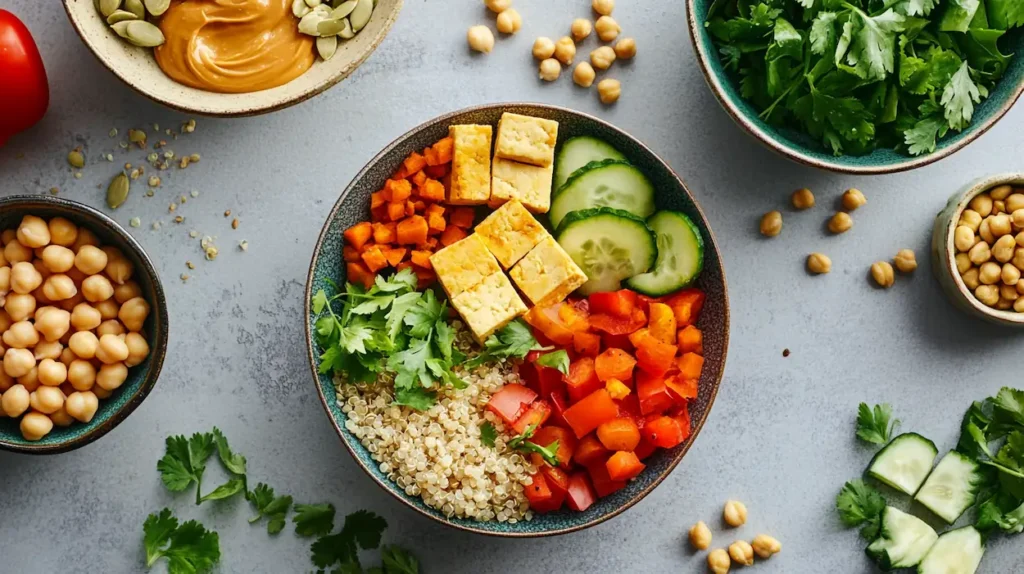
Getting enough protein on a plant-based diet is absolutely possible when meals include a little variety and a few practical staples. This guide explains the best plant-based protein foods, how to combine them, and how to make everyday meals feel balanced, simple, and satisfying.
You can get enough protein on a plant-based diet by including foods like tofu, lentils, beans, seitan, grains, seeds, and yogurt alternatives across the day. The easiest approach is to build balanced meals with a mix of protein-rich foods instead of relying on just one source.
If your goal is weight loss, this complete guide on high-protein diets explains how protein helps control hunger and burn fat.
Table of Contents
Why Plant-Based Protein Can Work So Well
You do not need meat to build satisfying, protein-rich meals. What matters more is eating enough protein overall, using a variety of foods, and building meals that feel balanced and realistic for everyday life.
Plant-based protein can work very well when meals include simple staples like beans, lentils, tofu, grains, seeds, and other foods that naturally support fullness and variety.
For active days, these high-protein snacks for work can also help support energy and keep meals feeling more complete.
Plant vs Animal Protein: What Really Matters
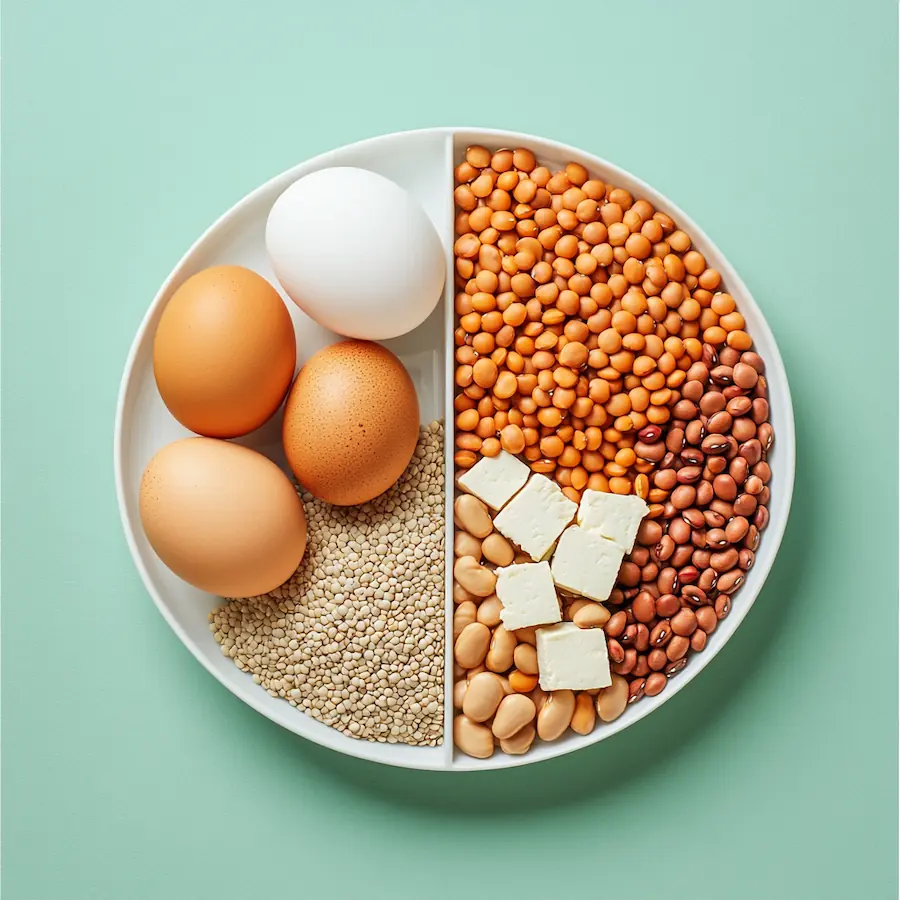
The biggest difference is not that one is good and the other is bad. What matters most is whether your meals include enough total protein and enough variety across the day.
A Simple Way to Understand It
Animal proteins are often called “complete” because they naturally contain all the essential amino acids. Some plant proteins contain less of certain amino acids, but that does not make them low quality. It simply means variety matters a little more.
Why Variety Helps
Plant-based eating works best when meals include different protein-rich foods across the day. Beans, lentils, tofu, grains, seeds, and other staples can work together to create balanced, satisfying meals without making things complicated.
Do You Need to Combine Proteins at Every Meal?
Not necessarily. Most people do not need to worry about combining foods perfectly at every meal. In everyday life, eating a mix of protein-rich plant foods throughout the day is usually enough.
A Practical Takeaway
Plant protein can work very well when portions feel generous, meals stay balanced, and variety is part of the routine. The goal is not perfection — it is building meals that feel simple, nourishing, and easy to repeat.
Best Plant-Based Protein Foods to Keep on Hand
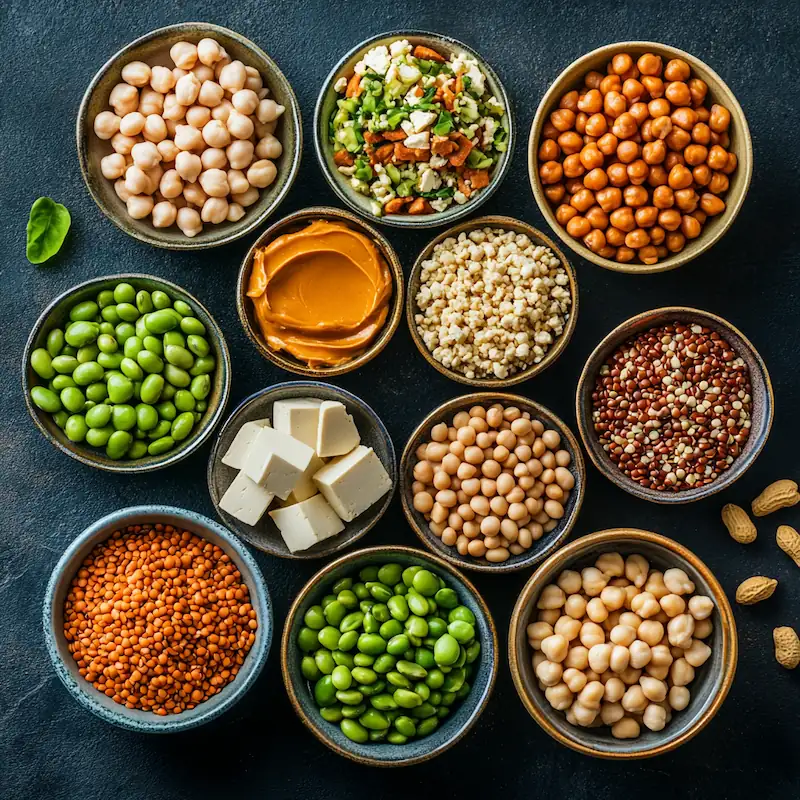
The easiest plant-based protein foods are usually the ones you can use often without overthinking them. A good choice should feel practical, satisfying, and easy to add to everyday meals.
1. Soy Foods
Tofu, tempeh, and edamame are some of the most useful plant-based protein foods because they are versatile, filling, and easy to build meals around. They can work well in bowls, stir-fries, simple lunches, and quick dinners.
2. Seitan
Seitan is one of the higher-protein plant-based options and can be useful when you want something hearty and easy to slice into meals. Its texture also makes it a practical swap in dishes where people usually use meat.
3. Lentils
Lentils are a very helpful staple because they bring both protein and fiber. They work well in soups, bowls, salads, and simple one-pot meals, especially when you want something affordable and satisfying.
4. Chickpeas
Chickpeas are easy to keep on hand and can be used in many different ways, from hummus and salads to warm grain bowls and roasted snacks. They are simple, balanced, and beginner-friendly.
5. Quinoa
Quinoa is a useful base for plant-based meals because it adds protein while also making bowls and lunch plates feel more complete. It is especially helpful when you want meals that are simple but still balanced.
6. Pumpkin Seeds
Pumpkin seeds are an easy protein boost for salads, yogurt alternatives, grain bowls, and snack plates. They also add texture and make small meals feel a little more nourishing.
7. Peanut Butter
Peanut butter can be a practical way to add both protein and staying power to snacks or breakfasts. It works best when paired with foods like fruit, oats, or toast instead of being relied on as the only protein source.
You can also apply these ideas to your morning routine with these high-protein breakfast ideas that are quick and effective.
Many plant-based foods also make excellent snacks—discover these high-protein snacks without protein powder for simple and natural options.
How to Build a Balanced Plant-Based Plate
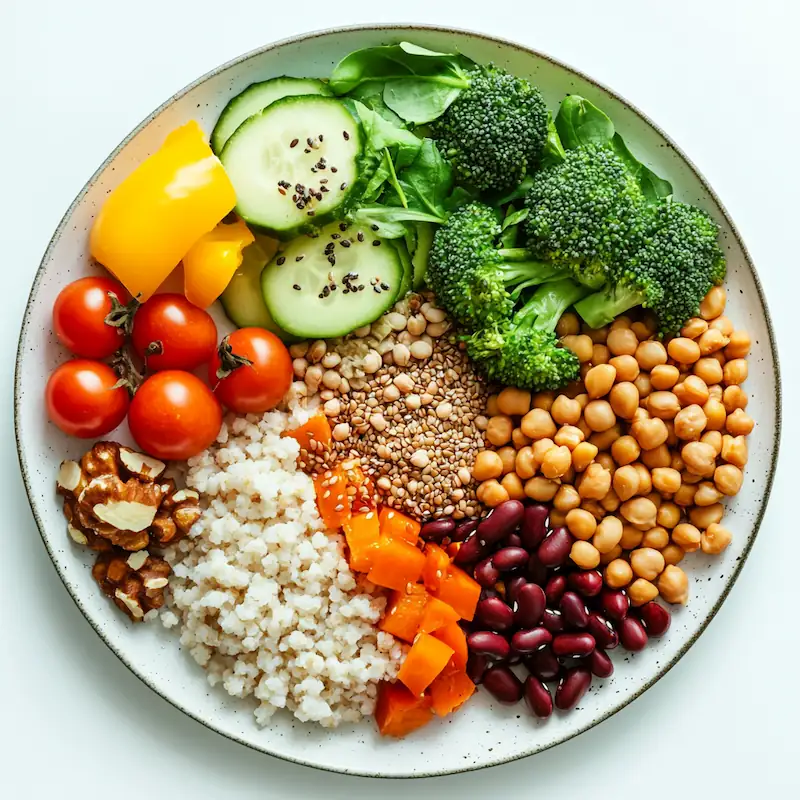
A balanced plant-based meal does not need to be complicated. The easiest plates are usually the ones built with a few simple parts that work well together and keep you full.
A Simple Plate Formula
One easy way to build a balanced meal is to include:
- a protein-rich plant food like lentils, beans, tofu, or chickpeas
- a grain or starchy base like rice, quinoa, or potatoes
- vegetables for color, fiber, and balance
- optional extras like seeds, herbs, or a simple sauce
This kind of plate usually gives you a better mix of protein, fiber, and everyday satisfaction without making the meal feel too complicated.
Easy Ways to Add a Little More Protein
If you want a small boost, it can help to add foods like:
- hemp seeds
- chia seeds
- pumpkin seeds
- nutritional yeast
- tofu cubes or extra beans
Small additions like these can make plant-based meals feel more complete without changing the whole plate.
Plant-based eating can also be very affordable—learn how to build a high-protein diet on a budget using simple ingredients.
Simple Plant-Based Meal Idea: Chili Sin Carne
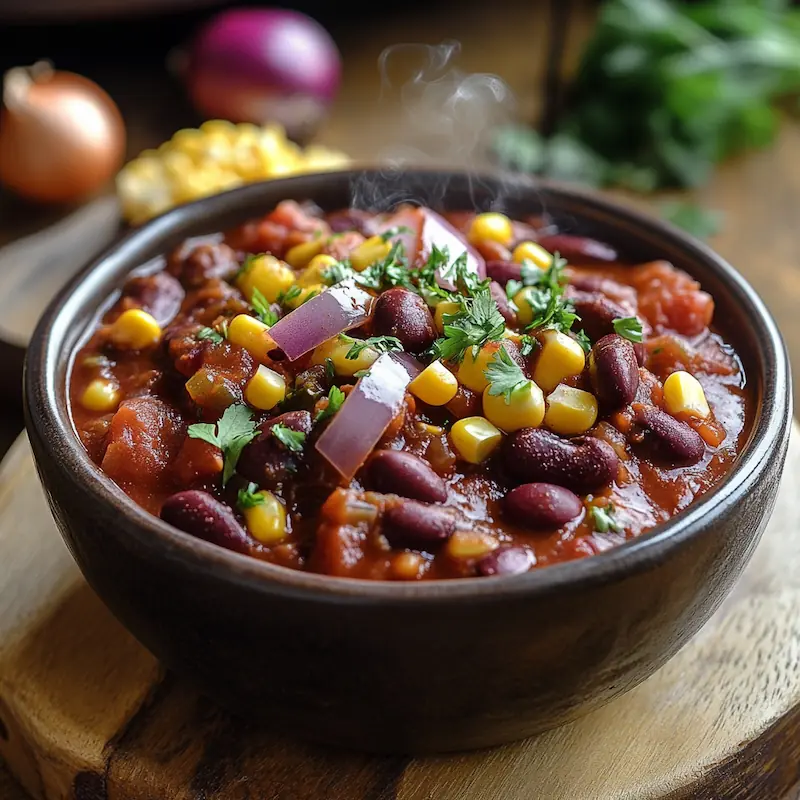
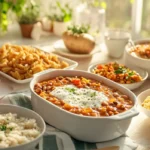
A simple chili sin carne is one of the easiest plant-based meals to make when you want something warm, filling, and naturally rich in protein and fiber. It uses practical ingredients and works well for lunch, dinner, or meal prep.
Ingredients
- red beans
- corn
- tomatoes
- onion
- spices
- optional textured soy protein
Why It Works
This kind of meal feels satisfying because it combines plant-based protein, fiber, and comforting texture in one bowl. It is also easy to adjust depending on what you already have in the kitchen.
It is a simple example of how plant-based protein can feel practical, affordable, and genuinely filling in everyday life.
Plant-Based Protein Comparison Table
To make things easier to compare at a glance, here is a simple table showing protein, fiber, and the main reason each option can be useful in everyday meals.
| Plant Source (100g) | Protein (g) | Fiber (g) | Best For |
|---|---|---|---|
| Seitan | 25g | 0.6g | Replacing meat |
| Firm tofu | 12–15g | 2g | Versatile cooking |
| Lentils (cooked) | 9g | 8g | Satiety and budget meals |
| Hemp seeds | 31g | 4g | Boosting smoothies and bowls |
| Chickpeas | 8g | 7g | Hummus and salads |
This table helps you quickly identify the most efficient plant-based protein sources for your goals.
Hidden Benefits of Plant-Based Protein
Plant-based protein foods do more than add protein to a meal. They often bring fiber, variety, and ingredients that make everyday eating feel more balanced and easier to maintain.
1. More Fiber in Everyday Meals
Many plant-based protein foods naturally come with fiber, which can help meals feel more filling and more comfortable on digestion. That is one reason foods like lentils, beans, and chickpeas often work so well in simple everyday meals.
2. A More Budget-Friendly Way to Eat More Protein
Plant-based staples like lentils, beans, grains, and tofu are often practical choices for people who want protein-rich meals without relying on more expensive ingredients every day.
3. Easy Variety
Plant-based meals can also make it easier to rotate ingredients and build different kinds of bowls, soups, salads, and simple dinners without getting stuck in the same routine.
If you’re struggling to hit your protein target, adding high-protein snack ideas (10–30g protein) can make it much easier.
Is a Plant-Based High-Protein Diet Healthy?
Plant-Based Protein and Overall Health
Yes, a plant-based high-protein diet can be a healthy option when meals are balanced and built with enough variety. Protein-rich plant foods can help meals feel more filling and more complete, especially when they are paired with vegetables, fiber-rich ingredients, and healthy fats.
What a Balanced Plant-Based Meal Looks Like
A simple plant-based meal often feels best when it includes:
- a protein-rich food such as lentils, beans, tofu, or seitan
- vegetables for fiber and color
- a grain or starchy base for balance
- healthy fats from seeds, nuts, or a simple dressing
Is It Good for Weight Loss?
For many people, yes. Plant-based meals can feel satisfying and naturally balanced, especially when they include both protein and fiber. That combination often makes everyday eating feel steadier and easier to maintain without becoming overly restrictive.
The goal is not to make plant-based eating feel perfect, but to make it practical, nourishing, and easy to repeat.
A Simple Note About Soy
Soy is often misunderstood, but moderate soy intake is generally considered safe for most people. Foods like tofu, tempeh, and edamame can be practical, protein-rich staples in a balanced plant-based routine.
For many people, soy is simply one of the easiest ways to make plant-based meals feel more complete, satisfying, and realistic in everyday life.
FAQ: Plant-Based Protein
1. Can you get enough protein on a plant-based diet?
Yes. With a little variety and a few reliable staples, it is absolutely possible to get enough protein on a plant-based diet through everyday meals.
2. What are the best plant-based protein foods to keep on hand?
Helpful staples include tofu, tempeh, lentils, beans, chickpeas, quinoa, seeds, and seitan. These foods make it easier to build balanced meals without relying on meat.
3. Do I need to combine proteins at every meal?
Not usually. For most people, eating a variety of plant-based protein foods across the day is enough. Meals do not need to be perfectly combined every single time.
4. Is soy okay to eat regularly?
For most people, moderate soy intake is considered safe. Foods like tofu, tempeh, and edamame can be practical, protein-rich staples in a balanced plant-based routine.
5. Is a plant-based high-protein diet good for weight loss?
It can be. Plant-based meals that combine protein and fiber often feel filling and balanced, which may make everyday eating feel easier to manage.
Conclusion
Getting enough protein on a plant-based diet is much more realistic than many people think. With simple foods like beans, lentils, tofu, seeds, and grains, it becomes easier to build meals that feel balanced, satisfying, and practical for everyday life.
The goal is not to make plant-based eating feel complicated. It is simply to use a little variety, keep a few reliable staples on hand, and build meals that you can actually enjoy and repeat.
For more nourishing ideas, see these best high-protein snacks for simple everyday meals.